Water-Saving Plumbing Upgrades vs Reactive Repairs: Which Saves Homeowners More Money?
| Potential Service | Estimated Market Context |
|---|---|
| Simple drain snaking | $100-$275 |
| Sewer line cleaning | $150-$800 |
| Sewer camera inspection | $125-$500 |
| Sump pump repair | $380-$550 |
| Septic tank repair | $600-$3,000 |
We explain what we find before recommending a larger scope. A burst pipe creates enough disruption already without replacing plumbing that is still serviceable.
Homeowners often think about plumbing costs only after a leak, clog, failed fixture, or loss of hot water. Reactive repairs address active problems, but they do not always correct inefficient fixtures or recurring weaknesses. Water-saving plumbing upgrades reduce demand, correct waste, and replace selected components before repeated trouble becomes normal. The better choice depends on plumbing condition, household use, and whether the upgrade solves a measurable problem.
At Service Source Plumbing, we help homeowners look beyond the immediate symptom. A dripping faucet may need a simple repair, while an aging fixture with repeated leaks may justify replacement. A working water heater should not be replaced only because a newer model exists, but corrosion or repeated repairs can change the calculation. This guide compares both approaches for Battle Ground and nearby communities.
The new season is a great reason to make and keep resolutions. Whether it’s eating right or cleaning out the garage, here are some tips for making and keeping resolutions.
Lists are great ways to stay on track. Write down some big things you want to accomplish and some smaller things, too.
Check the list regularly
Don’t forget to check in and see how you’re doing. Just because you don’t achieve the big goals right away doesn’t mean you’re not making progress.
Reward yourself
When you succeed in achieving a goal, be it a big one or a small one, make sure to pat yourself on the back.
Think positively
Positive thinking is a major factor in success. So instead of mulling over things that didn’t go quite right, remind yourself of things that did.
What Proactive Upgrades and Reactive Repairs Actually Mean
A proactive plumbing upgrade replaces or improves a working component to reduce water use, energy demand, maintenance, or future failure risk. Examples include WaterSense-labeled toilets and faucets, efficient showerheads, accessible shutoff valves, updated supply connectors, pressure regulation, and a properly sized high-efficiency water heater. The goal is not to replace every older item in the house. It is to target components where documented waste, age, condition, or usage makes the investment reasonable.
A reactive repair begins after something stops working correctly or creates an immediate symptom. That may include a leaking pipe, running toilet, failed faucet cartridge, clogged drain, broken shutoff, or water heater fault. Prompt repair is often the lowest-cost response when the surrounding component remains sound. Waiting until damage spreads, however, can turn a focused plumbing repair into cabinet, flooring, drywall, mold, or emergency-service costs.
Water-Saving Upgrades vs Reactive Repairs at a Glance
Neither strategy wins in every home. Upgrades can lower ongoing consumption, but replacing a reliable fixture with limited savings may take years to recover its cost. Repairs preserve usable components and control immediate spending, but repeatedly repairing the same inefficient fixture may waste money and water. The comparison becomes useful when both options are measured against the same problem.
| Decision factor | Water-saving plumbing upgrade | Reactive plumbing repair |
|---|---|---|
| Primary goal | Reduce ongoing water or energy use and improve reliability | Restore a failed or malfunctioning component |
| Best timing | During planned work or when an older component is inefficient | As soon as a leak, failure, clog, or unsafe condition appears |
| Upfront cost | Often higher because a fixture or system is replaced | Often lower for an isolated repair with accessible parts |
| Long-term savings | Possible through lower utility use and fewer recurring repairs | Limited when the original component remains inefficient or keeps failing |
| Disruption | Can be scheduled and grouped with other improvements | May happen unexpectedly or require emergency access |
| Main risk | Replacing equipment before savings justify the expense | Waiting too long and allowing damage or waste to grow |
| Best evidence | Usage, age, performance, repair history, and projected savings | Diagnosis showing a repair will reliably restore the component |
Start by separating
active problems from improvement opportunities. Active leaks, sewage backups, unsafe water-heater conditions, and failed shutoffs require attention before optional efficiency work. Once urgent issues are controlled, compare remaining upgrades according to expected use, condition, and service life. This keeps efficiency planning from distracting from repairs that protect the home now.
Plumbing Upgrades That Can Produce Measurable Savings
The U.S. Environmental Protection Agency says WaterSense-labeled products are independently certified for water efficiency and performance. The label helps homeowners distinguish tested products from fixtures marketed with vague efficiency claims. EPA also reports that replacing older bathroom faucets or aerators with WaterSense-labeled models can save the average family about 700 gallons of water per year. Actual savings depend on the existing fixture, household habits, local utility rates, and installation quality.
High-value opportunities may include:
- Faucet aerators or efficient faucets: A low-cost aerator may reduce flow without replacing a sound faucet body.
- WaterSense toilets: A replacement can make sense when an older toilet uses more water, runs frequently, clogs repeatedly, or needs hard-to-source parts.
- Efficient showerheads: Lower flow can reduce both water use and the energy needed to heat that water.
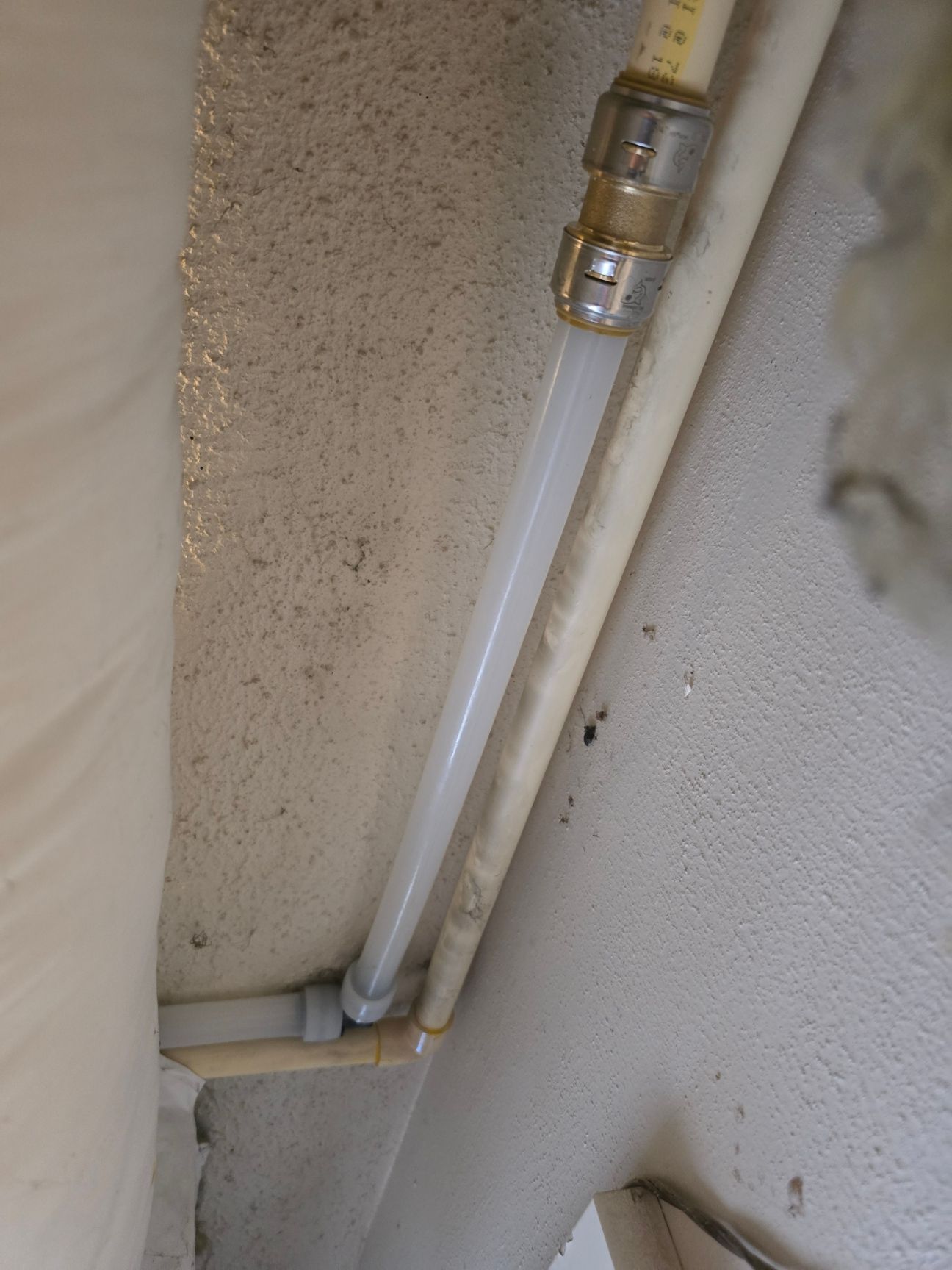
- Leak-resistant supply lines and dependable shutoffs: These do not reduce everyday consumption directly, but they can make maintenance easier and limit damage when a fixture fails.
- Pressure regulation: Excessive pressure can increase flow and stress valves, connectors, fixtures, and appliances, but pressure should be measured before changes are recommended.
- High-efficiency water heating: A properly selected system can lower energy use, although sizing, fuel, electrical capacity, venting, demand, and installation cost all matter.
- Hot-water delivery improvements: Insulation, layout corrections, or recirculation controls may reduce waiting, but poorly designed recirculation can increase energy use.
The U.S. Department of Energy’s home water-efficiency guide also identifies low-flow faucets, showerheads, and toilets as practical ways to reduce consumption. Efficiency should never come at the cost of poor performance or an incompatible installation. A toilet that does not match the drain conditions or a showerhead that performs poorly at the home’s pressure can create frustration rather than value. Product selection and plumbing condition matter as much as the efficiency label.
Preventive Maintenance Often Saves More Than Premature Replacement
Preventive maintenance is the bridge between upgrades and repairs. It focuses on inspections, testing, cleaning, adjustment, and small corrections that help existing plumbing work properly. Checking toilets for silent leaks, exercising shutoff valves, inspecting exposed supply lines, monitoring water pressure, flushing an appropriate water heater, and watching for corrosion can reveal manageable problems early. These steps do not guarantee that a component will never fail, but they improve the chance of planned service instead of emergency response.
Maintenance is most valuable when it produces a clear decision. A worn toilet flapper may justify a simple repair, while a corroded tank, recurring running problem, and inefficient flush performance may support replacement. A water heater with minor service needs may have years of useful life, while leakage from the tank itself usually changes the recommendation. The objective is to maintain what remains dependable and replace what no longer offers reliable value.
When a Reactive Repair Is the Smarter Financial Choice
An upgrade is not automatically economical because it uses less water. If a fixture is relatively new, performs well, and needs one replaceable part, repair may preserve most of its service life at a lower cost. The same logic applies to a localized pipe fitting, accessible valve, faucet cartridge, or water-heater component when the surrounding system is in good condition. A diagnosis should explain why the repair is likely to last.
Repair usually deserves priority when:
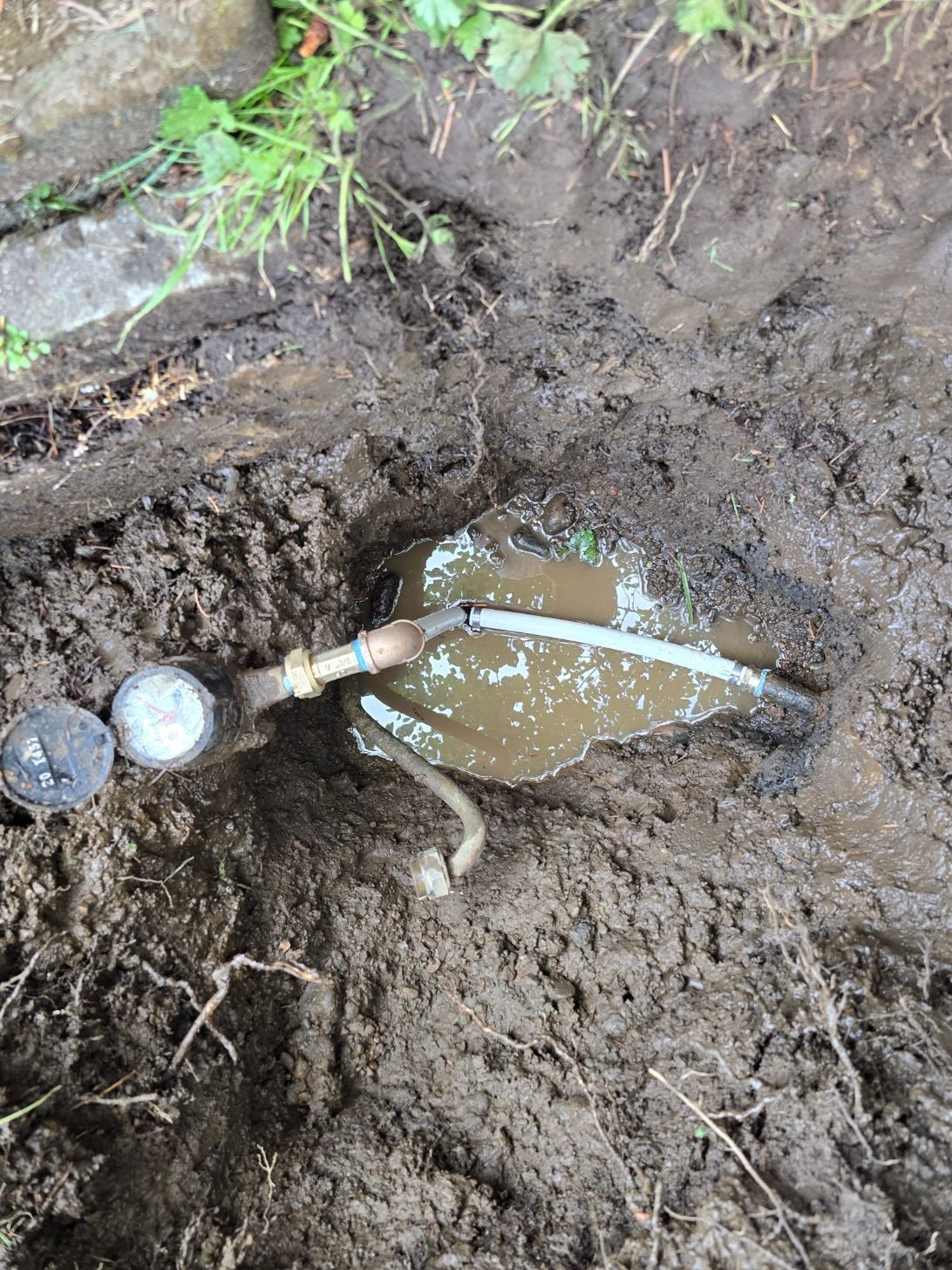
- Water is actively leaking into a wall, cabinet, ceiling, crawl space, or floor.
- A toilet, drain, or sewer line is backing up or threatening sanitation.
- A shutoff valve will not operate during a leak or fixture replacement.
- A water heater shows an electrical, combustion, pressure, or active leakage concern.
- The failed part is serviceable and the rest of the fixture or equipment remains sound.
- Replacement would require major related work without meaningful efficiency gain.
The EPA’s Start Saving guidance emphasizes identifying and fixing household leaks rather than allowing small losses to continue. The key word is
promptly. A repair becomes more expensive when homeowners continue tightening a corroded connection, ignore a running toilet, or place a bucket beneath a leak for weeks. Reactive work is financially sensible when the reaction is early and based on a proper diagnosis.
What Upgrades and Repairs May Cost
We prepare project-specific estimates because fixture compatibility, access, existing valves, pipe condition, finish selections, permits, and related repairs affect the work. For independent planning context, HomeGuide’s 2026 cost guides list faucet replacement at about $200 to $600 including the fixture and installation, toilet installation at about $350 to $800, and general leak repair at about $150 to $850. Its toilet guide places many toilet repairs around $130 to $300. These are national market ranges, not our pricing or a Battle Ground estimate.
| Project | Independent planning range | What can change the final scope |
|---|---|---|
| Faucet replacement | About $200 to $600 total | Fixture quality, mounting, shutoffs, supply lines, corrosion, and sink access |
| Toilet installation | About $350 to $800 total | Toilet type, flange condition, floor damage, shutoff, disposal, and fit |
| Toilet repair | About $130 to $300 | Failed parts, access, model, corrosion, and whether recurring issues remain |
| Leak repair | About $150 to $850 | Location, pipe material, access, damage, and whether walls or floors must be opened |
| Shower faucet replacement | About $200 to $900 | Valve type, wall access, trim compatibility, finishes, and related repairs |
Price alone does not reveal which option saves more. A $200 repair can be poor value if the fixture fails again soon, while a $600 replacement can be poor value if a $30 component would have restored a dependable fixture. Compare the expected remaining life, water or energy reduction, damage risk, warranty, and likelihood of another service call. The strongest estimate explains the reason for the recommendation, not only the amount.
A Decision Framework for Spending Plumbing Dollars Wisely
Begin with evidence from the home rather than a list of trendy products. Review recent utility bills, note unexplained changes, identify recurring repairs, and document fixtures that run, drip, clog, deliver poor pressure, or take too long to provide hot water. Then determine whether the issue is isolated or part of a broader pattern. A household with one worn cartridge needs a different plan from a home with aging shutoffs, high pressure, corroded connectors, and repeated fixture leaks.
| Question | Repair is more likely to make sense when | Upgrade is more likely to make sense when |
|---|---|---|
| Is there an active failure? | One serviceable part caused the problem | Failure is recurring or the fixture body is deteriorated |
| Is the fixture inefficient? | Current use is reasonable and performance is good | Measured use is high compared with a certified efficient alternative |
| How old is the component? | Parts are available and useful life remains | Age, corrosion, and repair history indicate declining reliability |
| Will replacement require related work? | Replacement would trigger unnecessary wall, floor, or piping changes | Related work is already planned or existing connections need correction |
| Are savings measurable? | Projected savings are small or uncertain | Water, energy, maintenance, or avoided-damage benefits are credible |
| Can the work be scheduled? | Repair restores dependable operation now | Planned timing can reduce disruption and combine compatible tasks |
Use this order of priorities:
- Stop active damage and sanitation risks first.
- Repair reliable components when one serviceable part has failed.
- Replace fixtures with recurring failures, deterioration, or documented inefficiency.
- Group compatible work when it reduces repeat access or service disruption.
- Confirm that new products fit the home’s pressure, drainage, electrical, gas, and venting conditions.
- Recheck water bills and performance after improvements to verify that the plan worked.
This framework prevents two expensive extremes. One is delaying every project until a failure creates emergency damage. The other is replacing functional plumbing without enough savings or risk reduction to justify the cost.
The best plumbing plan is selective, documented, and timed around the condition of the home.
Local Conditions Should Shape the Plan
Homes in Battle Ground, Vancouver, Hockinson, and Orchards vary in age, water-heating setup, pressure, fixture type, access, and repair history. An older Vancouver home may need shutoff and supply-line review before cosmetic upgrades. A Battle Ground or Hockinson crawl space offers different access than a slab, affecting hidden-leak diagnosis. In Orchards, heavier daily use may make efficient fixtures produce more noticeable savings.
Location alone should not determine the recommendation. A useful plan starts with current performance, visible condition, measured pressure, household demand, and the reason the homeowner wants to make a change. Utility rates and product rebates can also change over time, so verify current local programs before including them in a savings calculation. We help homeowners compare the immediate plumbing need with improvements that can reasonably lower waste or reduce future disruption.
Frequently Asked Questions
Do water-saving fixtures always lower the water bill?
They reduce water use when they replace higher-flow fixtures and are used under similar conditions. The dollar savings depend on household use, local water and sewer rates, and whether hot water is involved. Habits can offset product efficiency if showers become longer or fixtures are used more often. Compare bills and usage after installation to confirm the result.
Should I replace a faucet that only needs a cartridge?
Not necessarily. A cartridge repair can be the better value when the faucet body, connections, finish, and mounting remain sound. Replacement becomes more reasonable when parts are unavailable, corrosion is extensive, leaks recur, or the existing faucet uses substantially more water. A plumber should inspect the fixture before recommending either option.
Is a low-flow toilet more likely to clog?
A properly selected modern toilet should provide both efficient water use and dependable performance. Drain condition, venting, installation, usage, and the specific toilet design can all affect results. Replacing a toilet will not correct a damaged or restricted drain line. Diagnose recurring clogs before assuming the fixture is the only cause.
Can maintenance prevent every plumbing emergency?
No maintenance plan can eliminate every unexpected failure. It can reveal corrosion, leaking connectors, faulty valves, pressure problems, and water-heater concerns before some of them become emergencies. Knowing where the main shutoff is located also limits damage when a sudden leak occurs. Prevention reduces risk without creating a guarantee.
Which upgrade should a homeowner prioritize first?
Start with active leaks and fixtures that waste water continuously, such as a running toilet or dripping faucet. Next, review high-use fixtures and components with repeated repair history. Water-heating improvements deserve consideration when equipment condition, demand, and energy use support the investment. The best first step is the one with the clearest combination of savings, reliability, and risk reduction.
Should several plumbing upgrades be completed at once?
Grouping work can reduce repeat disruption when the projects share access, shutoffs, or related piping. It can also make the estimate easier to compare because the plumber can define one coordinated scope. However, bundling unrelated upgrades is not automatically cheaper. Prioritize projects that are necessary or supported by measurable value.
Build a Plumbing Plan Around Real Savings
Water-saving plumbing upgrades can lower consumption and improve reliability, while prompt reactive repairs protect the home when something has already failed. Homeowners save the most when they do not treat those strategies as opposites. We recommend repairing urgent problems first, maintaining dependable components, and upgrading fixtures or equipment when the expected water, energy, maintenance, or damage reduction supports the cost. That approach creates a practical plan instead of a cycle of emergencies or unnecessary replacements.
If you are deciding whether to repair or upgrade plumbing in Battle Ground, Vancouver, Hockinson, or Orchards, Service Source Plumbing can evaluate the condition and explain the options. We will look at the active problem, compatibility, access, household demand, and the likely value of each path. Our team handles plumbing repairs, fixture installations, leak service, and water-heater work for homes throughout the area. Contact us to request a project-specific recommendation and estimate.
Plumbing Services in Battle Ground
why choose
service source plumbing?
Get in Touch Today
Homeowners and businesses in Battle Ground, Duluth, Hockinson, Vancouver, Orchards, and Walnut Grove rely on us for our:
- 24/7 emergency services – We’re always ready to assist with urgent plumbing issues.
- Experienced professionals – Our team is trained in advanced drain cleaning techniques.
- State-of-the-art equipment – We use the latest tools to ensure safe and effective unclogging.
- Commitment to customer satisfaction – We deliver reliable, long-term plumbing solutions.
- Preventative inspections – We don’t just fix the issue; we help you prevent future problems.
Recent Posts