Why Your Home Has Low Water Pressure and How to Find the Real Cause
| Potential Service | Estimated Market Context |
|---|---|
| Simple drain snaking | $100-$275 |
| Sewer line cleaning | $150-$800 |
| Sewer camera inspection | $125-$500 |
| Sump pump repair | $380-$550 |
| Septic tank repair | $600-$3,000 |
We explain what we find before recommending a larger scope. A burst pipe creates enough disruption already without replacing plumbing that is still serviceable.
A weak shower can make it seem as though your entire plumbing system is failing. Sometimes the cause is a restricted showerhead, but sometimes several fixtures are affected by a valve, regulator, supply-line problem, or leak. The most useful first step with low water pressure in house plumbing is to identify the pattern before replacing parts. Knowing where the problem occurs can turn a vague complaint into information that helps locate the cause.
At Service Source Plumbing, we diagnose pressure and water-flow concerns for homeowners in Battle Ground and nearby Southwest Washington communities. Our approach begins with what changed, which fixtures are affected, and how the system behaves when water is running. This guide explains practical observations you can make safely and when professional testing is the better next step.
The new season is a great reason to make and keep resolutions. Whether it’s eating right or cleaning out the garage, here are some tips for making and keeping resolutions.
Lists are great ways to stay on track. Write down some big things you want to accomplish and some smaller things, too.
Check the list regularly
Don’t forget to check in and see how you’re doing. Just because you don’t achieve the big goals right away doesn’t mean you’re not making progress.
Reward yourself
When you succeed in achieving a goal, be it a big one or a small one, make sure to pat yourself on the back.
Think positively
Positive thinking is a major factor in success. So instead of mulling over things that didn’t go quite right, remind yourself of things that did.
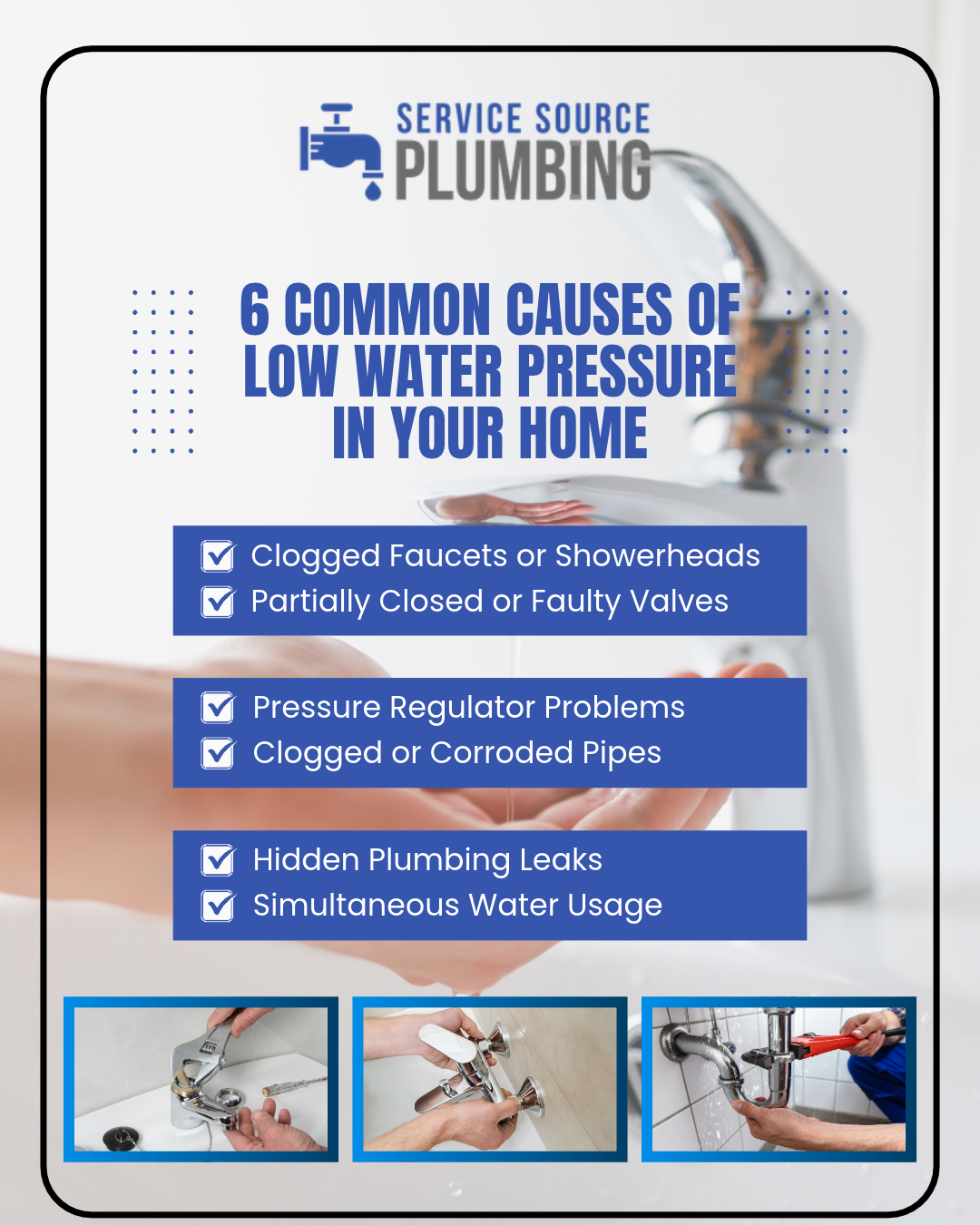
Is It Low Pressure or Restricted Water Flow?
Pressure is the force acting on the water, while flow describes how much water passes through a fixture over time. A faucet can deliver weak flow because its aerator is restricted even when the supply pressure is adequate. A system can also have an acceptable reading with every fixture closed and still struggle when several outlets run. The symptom you feel at the shower therefore does not identify the faulty component by itself.
That distinction is why a diagnosis should consider both readings and operating conditions. Replacing a showerhead may help a localized restriction, but it will not repair a leaking service line or restore a failing regulator. Likewise, raising a pressure setting does not remove an obstruction and may introduce excessive pressure elsewhere.
Identify the location and pattern first, then select the repair supported by testing.
What the Pattern of Weak Flow Can Tell You
Start by comparing fixtures rather than adjusting equipment. Note whether cold water, hot water, or both are affected, and whether the change is sudden or gradual. These observations narrow the investigation without requiring you to dismantle the plumbing.
| Symptom pattern | Possible area to investigate | Useful comparison |
|---|---|---|
| One faucet is weak on both settings | Aerator, faucet, or local supply | Other fixtures in the same room |
| Low water pressure in shower only | Showerhead, cartridge, or local valve | Bathroom sink and other showers |
| Hot water is weak at several fixtures | Hot-water supply path | Cold flow at the same fixtures |
| Both settings are weak throughout the house | Main supply, regulator, treatment equipment, or leak | Conditions with other demand stopped |
| Flow drops when appliances run | Available capacity or a restriction | One fixture versus simultaneous use |
| Several neighboring homes change at once | Possible utility-side issue | Notices from the actual water provider |
These patterns are clues rather than final diagnoses. One weak hot-water outlet may involve a local valve, while several weak outlets call for checking the shared path. A professional can follow those comparisons with pressure and flow tests at suitable locations.
Our plumbing repair services include water-pressure concerns, leaks, pipe repairs, and faucet problems. Tell us which comparison you made when scheduling a visit. That information helps us investigate the relevant part of the system instead of assuming every weak fixture needs replacement.
Common Causes Inside the Home
Several conditions can create similar symptoms, especially when the complaint is simply that water feels weaker than it used to. Recent plumbing work, filter maintenance, irrigation changes, and fixture replacements can be useful clues. The timeline often matters as much as the location.
- Restricted aerator or showerhead: Debris or deposits reduce flow at an individual outlet.
- A local valve problem: A damaged or partly closed fixture shutoff limits delivery.
- Pressure regulator trouble: The device may require testing, adjustment, service, or replacement.
- Treatment equipment restriction: Filters, softeners, or other equipment can affect the shared supply path.
- Supply-pipe restriction: Internal buildup, corrosion, damage, or an undersized section limits flow.
- A hidden plumbing leak: Water escapes before reaching the outlets where you need it.
- Competing demand: Several fixtures or appliances use the available supply at once.
Do not use the list as a reason to replace all of these components. For example, older piping can be relevant, but its age alone does not prove that clogged water supply lines caused today's sudden change. A new problem immediately after valve work may justify checking that area first.
If weak flow comes with repeated pipe leaks, our comparison of repiping versus patching aging pipes explains how to evaluate an isolated defect against a wider supply-system problem. That distinction helps you review a larger repair recommendation without assuming that every pressure complaint requires new piping throughout the house.
Also keep supply and drain problems separate. Drain cleaning addresses wastewater leaving the home, whereas this article concerns water delivered to fixtures. A slow sink drain and a weak faucet can occur together without sharing the same cause.
What Pressure Regulator Problems Actually Require
A water pressure reducing valve lowers incoming pressure to an appropriate downstream level when the system uses one. Manufacturer Watts explains this function in its water pressure reducing valve guidance. A regulator is therefore not a device that can create additional supply pressure when the incoming service is already inadequate. Its condition and settings need to be evaluated in relation to the supply and the rest of the plumbing.
Testing may compare pressure with no fixtures running and while water is being used. The plumber can then consider the regulator alongside valves, restrictions, and other possible causes of the observed drop. Turning an adjustment screw without measurements can obscure the original problem or leave the home with excessive pressure. We recommend a diagnosis before adjustment, particularly when the system has recently developed unstable pressure or a substantial loss of flow.
Safe Checks Before You Request Repairs
Gather observations that are easy to repeat and do not require changing unfamiliar equipment. Check one fixture at a time, then note what happens during ordinary simultaneous use. Stop troubleshooting if you discover an active leak, electrical hazards, or other urgent damage.
- Compare a nearby sink with the affected shower or faucet.
- Compare hot and cold flow separately while avoiding scalding temperatures.
- Note whether laundry, irrigation, or another appliance was running when the problem appeared.
- Review recent plumbing work and filter-service dates.
- Check visible supply connections for moisture without disturbing them.
- Review your water provider's notices if the change affects the whole house.
- Clean a removable aerator only when you can follow its manufacturer's instructions safely.
Do not force an old shutoff, operate utility-owned equipment, or dismantle a pressure regulator. A corroded valve can leak when disturbed, and an unfamiliar bypass arrangement may affect treatment or other equipment. If you do not know a component's purpose, record its location for the plumber instead.
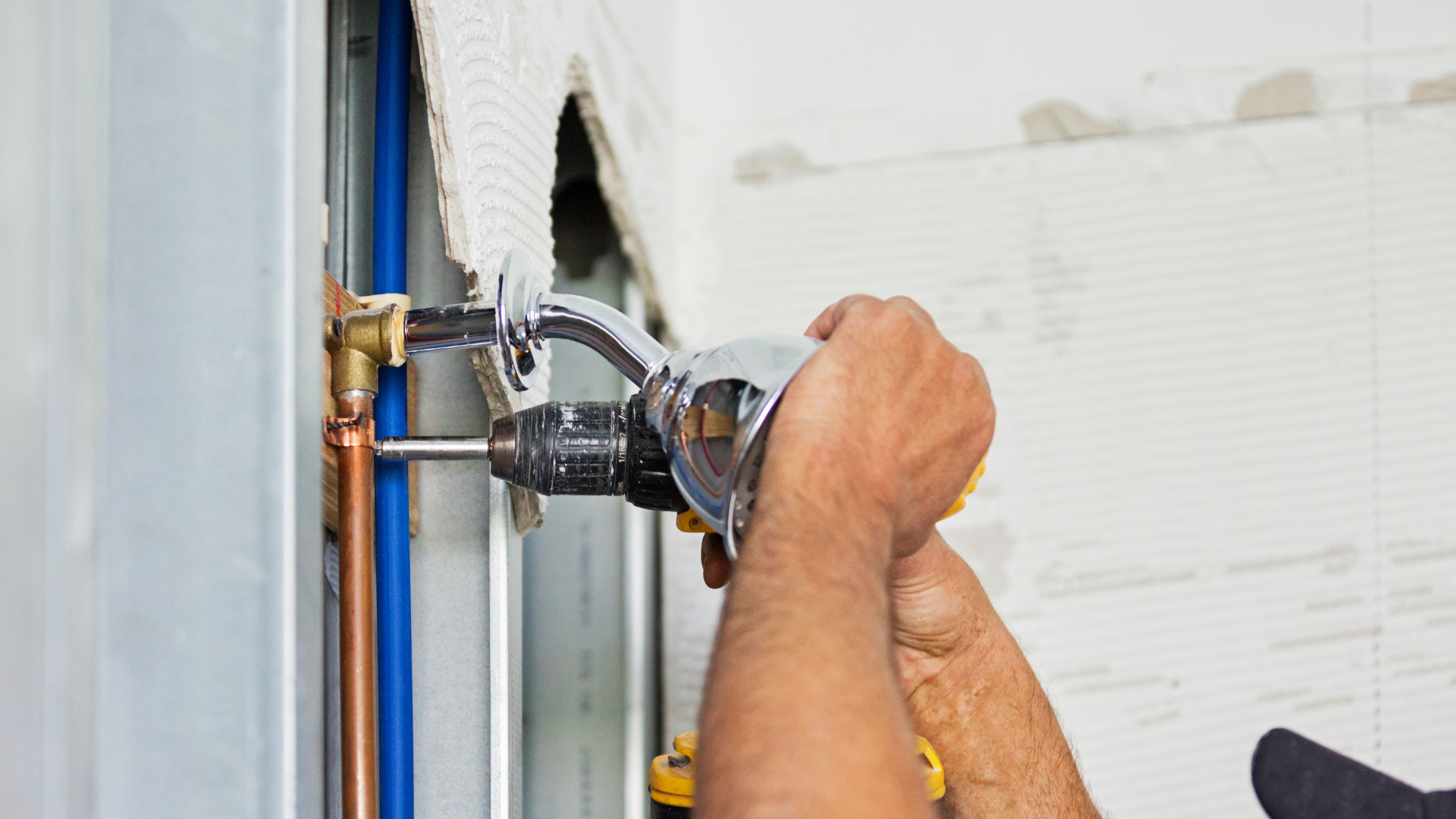
For a single weak shower, inspect the spray pattern and compare other fixtures before buying a new valve. A replacement showerhead may still provide disappointing flow if a restriction is elsewhere. Conversely, a localized showerhead problem does not justify increasing the pressure of the entire home.
How to Check for a Possible Hidden Leak
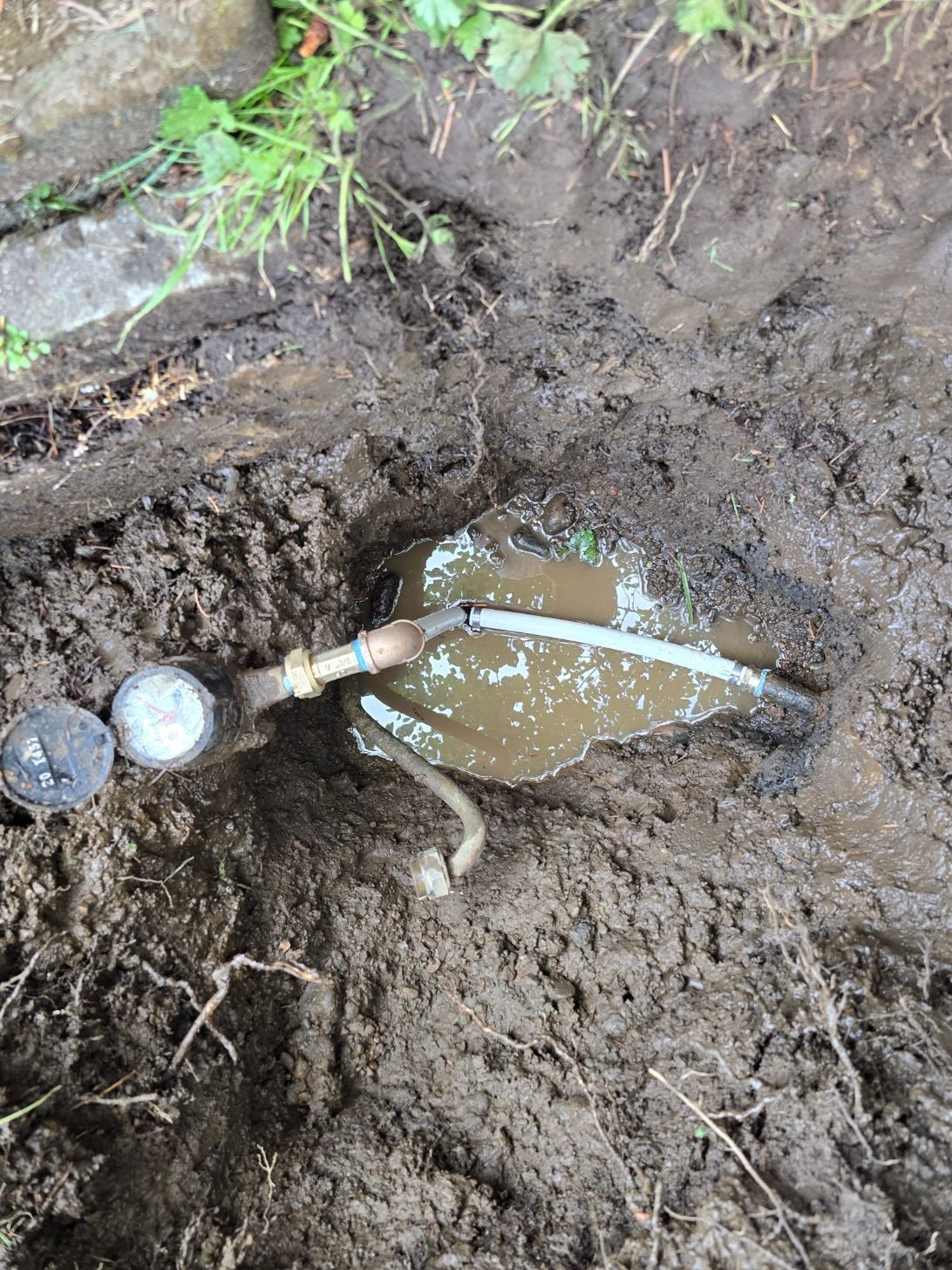
A leak may be visible at a connection, hidden inside the building, or located along the buried service line. Low flow alone does not prove leakage, but an unexplained change in water use, damp area, or persistent sound of running water adds useful evidence. Review the whole pattern before assuming the pressure regulator is responsible.
| Observation | What it may suggest | Appropriate next step |
|---|---|---|
| Water use continues with intended demand stopped | An unnoticed use or possible leak | Confirm appliances and irrigation, then investigate |
| Damp cabinets or wall finishes | A nearby plumbing or other moisture source | Arrange inspection and protect the area |
| A wet outdoor patch in dry conditions | Irrigation, drainage, or service-line issue | Identify the source before excavation |
| Sudden pressure loss with audible running water | A potentially substantial leak | Seek prompt plumbing help |
| No visible water or meter movement | No leak identified by that limited observation | Continue diagnosing other causes |
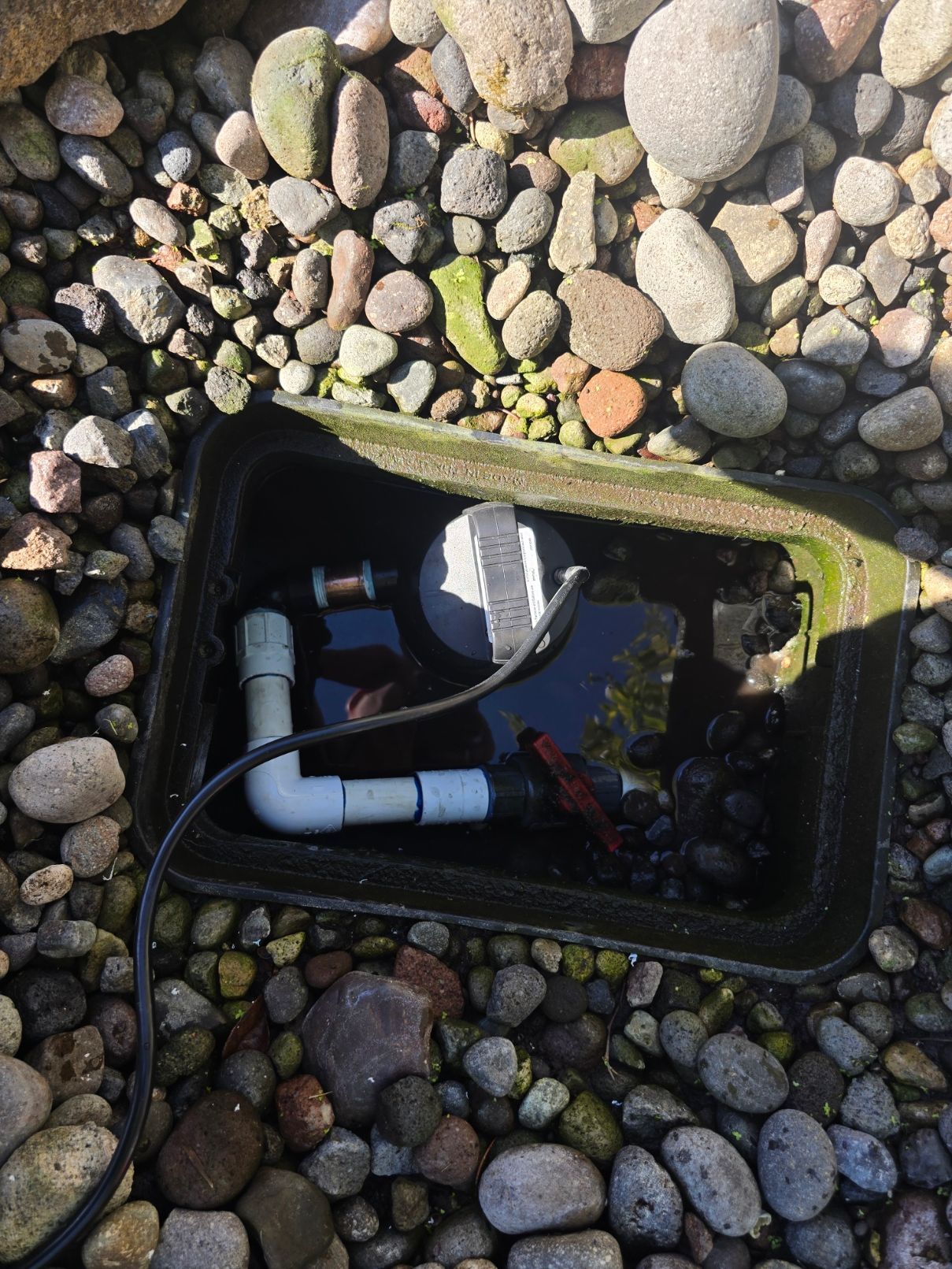
The City of Vancouver's water-leak detection guidance offers ways to investigate unexpected water use. Where a meter can be read safely, a check with intended uses stopped can provide a clue, but it does not locate the problem or rule out an intermittent leak. Automatic irrigation, toilets, ice makers, and other equipment must be considered when interpreting activity.
Our leak detection and repair services help investigate concealed plumbing problems and define the needed correction. If water is escaping uncontrollably, use the home's known shutoff only when it is safe and accessible, then call for help. Keep clear of standing water near electrical equipment and do not enter an unsafe crawlspace to find the source.
What Low-Pressure Repairs May Cost
We provide quotes based on the diagnosed problem, access, parts, and work required. For independent planning context, HomeGuide's pressure-regulator replacement guide lists
$300 to $650 installed, while its main shutoff replacement guide lists
$250 to $600. These national benchmarks help frame potential work, while our estimate reflects the specific repair your home needs.
| Potential work | Independent planning range or pricing approach | What changes the scope |
|---|---|---|
| Pressure regulator replacement | $300 to $650 installed | Valve type, access, pipe modifications |
| Main water shutoff replacement | $250 to $600 | Location, accessibility, related work |
| Fixture restriction or cartridge work | Quoted after diagnosis | Fixture model, parts, condition |
| Hidden leak or supply-line repair | Quoted for the actual defect | Location, material, access, restoration |
| Broader pipe replacement | Separate project estimate | Extent, routing, permits, finishes |
A symptom does not select a price category. One homeowner may need a small fixture correction, while another needs a service-line repair despite describing the same weak shower. Ask whether the estimate includes diagnosis, the proposed repair, testing, and any required access or restoration work.
Replacing a regulator without confirming its role can leave you paying for a component that does not resolve the problem. Similarly, a repiping recommendation should explain the evidence for widespread restriction or deterioration. We discuss the cause and scope so you can compare options based on more than the initial number.
A Decision Framework for the Next Step
Use the scope and urgency of the symptoms to decide whom to contact and how quickly. The aim is to direct the problem to the right part of the system. These categories can guide the first call without substituting for measurements or an inspection.
- One fixture is affected: Compare nearby outlets and check the fixture's removable parts according to its instructions.
- Several hot outlets are affected: Arrange diagnosis of the shared hot-water path rather than assuming the heater cannot produce enough heat.
- The whole house changed suddenly: Check provider notices and seek prompt diagnosis if no supply event explains it.
- Neighbors report the same issue: Contact the water provider serving the address before authorizing household equipment changes.
- Visible leakage or unexplained water use accompanies the change: Prioritize leak investigation.
- Pressure falls mainly during simultaneous use: Request testing under demand to assess capacity and restrictions.
For example, good flow at a bathroom sink with a weak shower points toward a more localized investigation. Weak hot and cold flow throughout the building calls for checking shared supply components instead. A pressure reading taken while nothing is running cannot, by itself, explain how the system behaves during peak demand.
In Battle Ground, Vancouver, Hockinson, and Orchards, homes may have different providers, elevations, plumbing layouts, or private well systems. Confirm the actual supply arrangement rather than assuming a city mailing address identifies the water provider. A private well introduces pump and pressure-system questions that differ from a municipal-service diagnosis.
Frequently Asked Questions
Why is my shower weak when other faucets work normally?
The restriction may be at the showerhead, cartridge, local valve, or branch piping. Compare both temperature settings and another shower if available. That pattern helps narrow the investigation. It does not establish that the whole home's pressure needs to be increased.
Can low water pressure mean a hidden leak?
Yes, but it is only one possible explanation. Unexpected water use, damp surfaces, wet ground, or running-water sounds may support further investigation. A pressure problem without those signs can still need professional testing. Do not open walls or dig based on weak flow alone.
Should I turn up the pressure regulator myself?
We recommend measuring and diagnosing the system first. A regulator adjustment will not correct every restriction or supply problem. Excessive pressure can also create new concerns elsewhere in the plumbing. Have an unfamiliar or malfunctioning device evaluated before changing its setting.
Do clogged drains cause low supply pressure?
Drain blockages affect wastewater movement rather than the incoming water supply. A sink can have both issues, but they need separate diagnoses. Drain cleaning will not remove deposits inside a drinking-water supply pipe. Describe whether water arrives weakly or drains away slowly when requesting service.
Why does flow drop when the washing machine starts?
Simultaneous demand can reveal limited capacity or a restriction in a shared supply path. The size of the change matters, along with whether it is new. Testing while water runs helps reproduce the complaint. A plumber can compare that result with the system at rest.
When should I call the water provider instead of a plumber?
Contact the provider when notices or nearby customers suggest a wider supply issue. A problem limited to your home may still require the provider to clarify its service responsibility. Household components and private piping generally need separate investigation. Confirm the provider serving your address before using a neighboring city's contact information.
Find the Cause Before Replacing Parts
If weak flow is disrupting showers, laundry, or everyday use, we can help identify the part of the system that needs attention. Our plumbing repair services address pressure concerns, fixture problems, leaks, and damaged pipes. We explain the findings and proposed scope before you choose the work. Call Service Source Plumbing at (360) 798-5887 to request a quote in Battle Ground.
We also serve homeowners in Vancouver, Hockinson, Orchards, and nearby communities. Tell us which fixtures are affected, whether hot and cold behave differently, and when the change began. Mention recent plumbing work or any signs of an active leak when scheduling. Those details help us move toward a repair that addresses the cause and restores dependable water delivery.
why choose
service source plumbing?
Get in Touch Today
Homeowners and businesses in Battle Ground, Duluth, Hockinson, Vancouver, Orchards, and Walnut Grove rely on us for our:
- 24/7 emergency services – We’re always ready to assist with urgent plumbing issues.
- Experienced professionals – Our team is trained in advanced drain cleaning techniques.
- State-of-the-art equipment – We use the latest tools to ensure safe and effective unclogging.
- Commitment to customer satisfaction – We deliver reliable, long-term plumbing solutions.
- Preventative inspections – We don’t just fix the issue; we help you prevent future problems.
Recent Posts