Winter Water Leaks: WA Homeowner Plumbing Guide

March 11, 2026

Share this article

Washington winters don't always announce themselves — and that's exactly what makes them dangerous for your home's plumbing. Freezing nights, frost cycles, and sudden cold snaps create conditions that lead to hidden leaks, burst pipes, and costly water damage. Even as we move toward spring, temperatures in Yacolt and Clark County can still dip below freezing. This guide from Service Source Plumbing walks Washington homeowners through what to watch for, how to prevent winter plumbing issues, and when to call a professional.

The new season is a great reason to make and keep resolutions. Whether it’s eating right or cleaning out the garage, here are some tips for making and keeping resolutions.

Make a list

Lists are great ways to stay on track. Write down some big things you want to accomplish and some smaller things, too.


Check the list regularly

Don’t forget to check in and see how you’re doing. Just because you don’t achieve the big goals right away doesn’t mean you’re not making progress.


Reward yourself

When you succeed in achieving a goal, be it a big one or a small one, make sure to pat yourself on the back.


Think positively

Positive thinking is a major factor in success. So instead of mulling over things that didn’t go quite right, remind yourself of things that did.

Why Washington Winters Are Hard on Your Home's Plumbing

The Pacific Northwest's freeze-thaw cycles are uniquely hard on residential plumbing. Unlike regions with consistently cold winters, Washington temperatures fluctuate — pipes expand, contract, and weaken over time without a single dramatic freeze event. Even as spring approaches, nighttime temperatures in Yacolt and surrounding Clark County areas can still drop below freezing, keeping winter plumbing risks very much alive.

The Most Common Causes of Winter Water Leaks in WA Homes

Washington winters stress plumbing systems in ways that go beyond a single hard freeze. Here are the most common culprits:


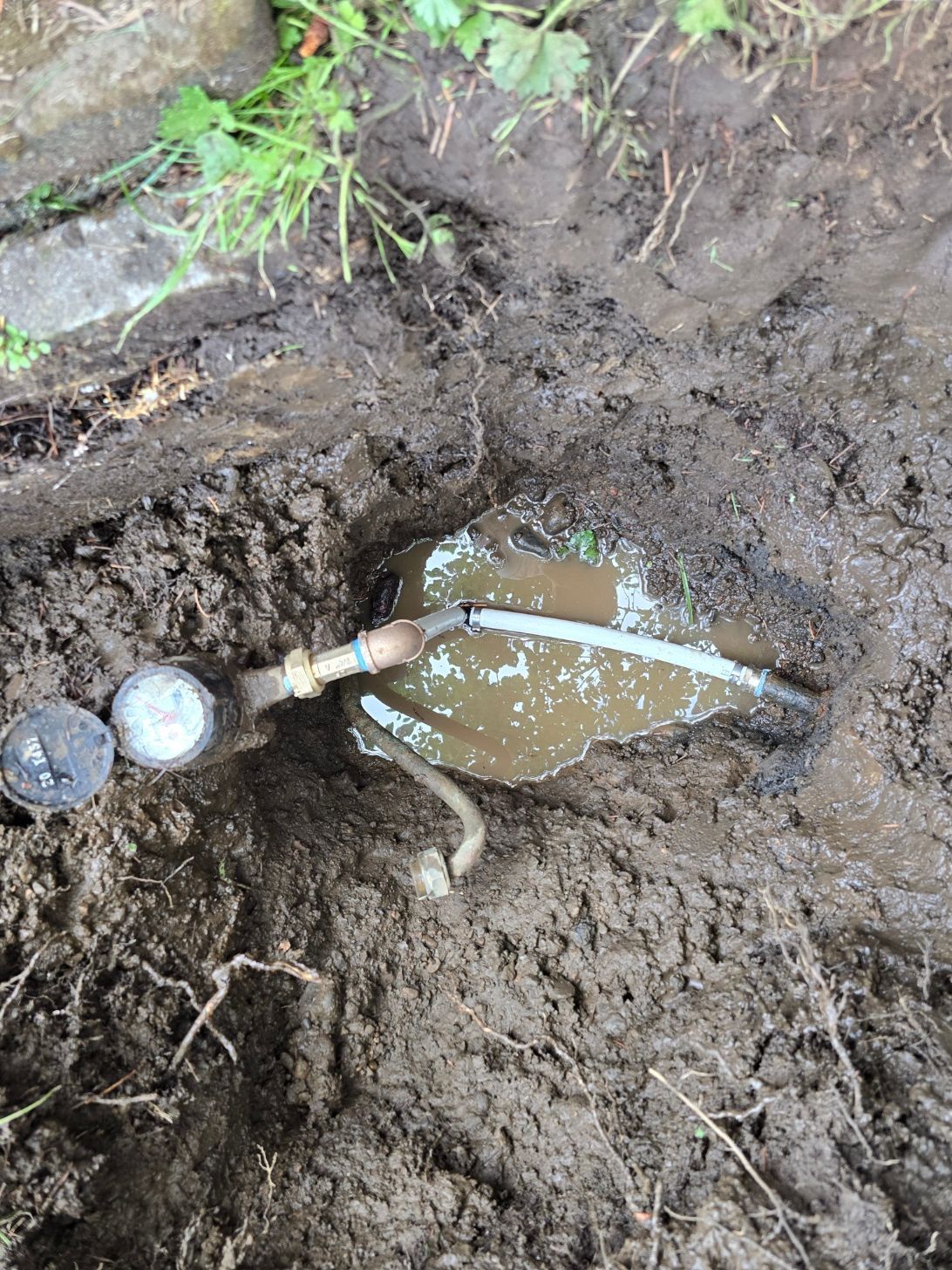
  • Frozen and burst pipes — water expands as it freezes, cracking or rupturing pipes from the inside
  • Frozen outdoor plumbing — hose bibs and exterior lines are the first to go when temperatures drop
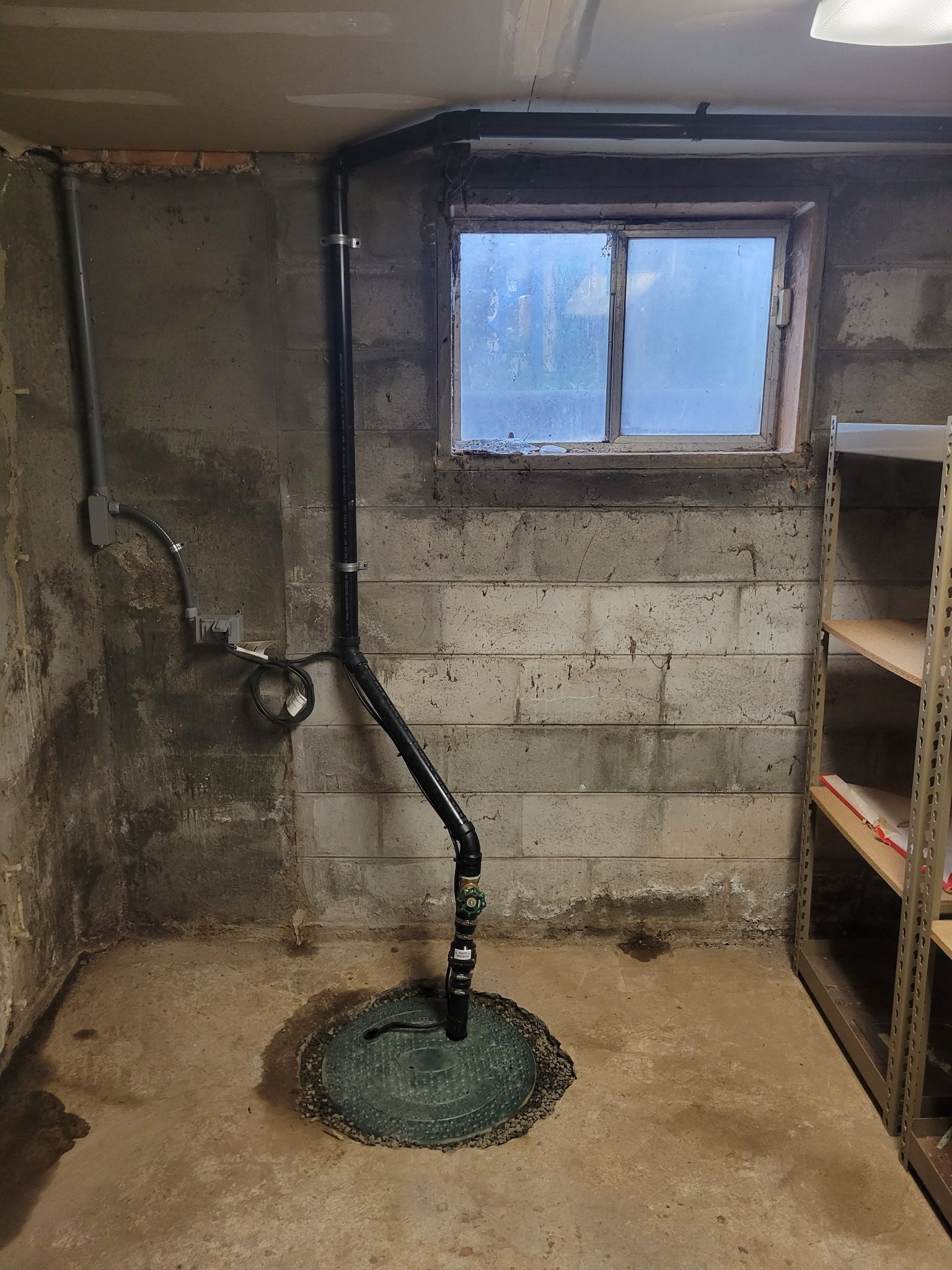
  • Overwhelmed sump pumps — heavy winter rainfall combined with frozen ground can push systems past capacity
  • Shifting soil and sewer issues — ground movement from freeze-thaw cycles stresses underground sewer lines
  • Cold air infiltration — gaps around pipes in uninsulated areas allow cold air to reach vulnerable plumbing
  • Increased indoor water usage — more time indoors and holiday gatherings put added strain on drains and fixtures

How to Tell If You Have a Hidden Winter Leak Before It Gets Worse

Hidden leaks are often the most damaging because they go unnoticed for weeks. Here's how to check:


  1. Meter test — Note your water meter reading, avoid all water use for 2 hours, then check again. Any change indicates a leak
  2. Visual inspection — Look for water stains on ceilings, walls, and under sinks, especially in cold zones like basements and crawl spaces
  3. Listen — In a quiet house, listen for faint dripping inside walls or floors
  4. Check your bill — An unexplained spike in your water bill is often the first sign of a hidden leak
  5. Trust your nose — Musty odors or peeling paint near walls can indicate moisture buildup behind surfaces

What To Do Immediately When You Find a Water Leak in Winter

Act fast — winter leaks escalate quickly. Here's the order of operations:


  1. Shut off the main water supply valve — know where yours is before you ever need it
  2. Turn off electricity in affected areas — if water is near outlets, appliances, or overhead fixtures, cut power immediately
  3. Call Service Source Plumbing — don't wait to assess the damage alone
  4. Drain the pipes — open all cold taps to relieve remaining pressure in the system
  5. Contain the water — use towels, mops, and buckets to limit spread and protect flooring
  6. Document everything — photograph and video all damage for your insurance claim before cleanup begins

How Washington's Cold Snaps Cause Pipes to Freeze and Burst

Understanding why pipes burst helps you prevent it. Here's what happens inside your walls during a Washington cold snap:


  1. Ice Blockage — When temperatures drop below 20°F, water in exposed pipes freezes and blocks flow
  2. Pressure Buildup — As freezing spreads, expanding ice pushes against the blockage and the closed faucet — pressure builds far from the freeze point
  3. The Burst — When pressure exceeds what the pipe can hold, it cracks or ruptures, often at a joint or weak point
  4. The Thaw — Many pipes actually fail during the thaw, not the freeze, as returning water pressure overwhelms an already-weakened pipe

Prevention Tips Every Yacolt & Clark County Homeowner Should Know

The best winter plumbing call is the one you never have to make. These steps protect your home before a cold snap hits:

Prevention Step What To Do
Insulate Pipes Use pipe sleeves, heat tape, or foam insulation in attics, garages, and crawl spaces
Maintain Heat Keep your thermostat at 55°F or above — even when away or on vacation
Circulate Warm Air Open cabinet doors under sinks to let warm indoor air reach pipes
Drip Faucets Let faucets drip slowly during hard freezes to relieve pipe pressure
Protect Outdoor Fixtures Disconnect hoses, drain exterior lines, and cover outdoor faucets
Seal Air Leaks Caulk gaps around windows, doors, and pipe penetrations to block cold air
Know Your Shut-Off Locate your main water shut-off valve now — before an emergency requires it

When To Call a Plumber vs. Handle It Yourself

Not every plumbing issue requires a service call — but knowing the difference can save you from turning a small problem into a big one.


Handle it yourself:


  • Minor clogs using a plunger or drain snake
  • Replacing a faucet, showerhead, or toilet tank handle
  • Fixing a leaky faucet by replacing washers, O-rings, or flappers
  • Cleaning aerators to restore flow to individual fixtures


Call Service Source Plumbing:


  • Burst pipes, active flooding, or severe leaks
  • Any issue involving gas lines or gas appliances
  • Persistent sewer clogs, gurgling drains, or sewage odors
  • Water heater repairs or installations
  • Low water pressure throughout the entire home
  • Leaks inside walls, under slabs, or in hard-to-reach areas
  • Plumbing upgrades or remodeling work

Service Source Plumbing: Yacolt's Go-To Winter Plumbing Experts

When a Washington winter catches your plumbing off guard, you need a local team that knows Clark County homes — and responds fast. Service Source Plumbing has helped Yacolt and surrounding WA homeowners handle everything from frozen pipes to hidden slab leaks. We're ready when you need us most.


[Request Emergency Plumbing Service →]


[Schedule a Winter Plumbing Inspection →]


[See All Plumbing Services in Yacolt WA →]

why choose

service source plumbing?

Get in Touch Today

Homeowners and businesses in Battle Ground, Duluth, Hockinson, Vancouver, Orchards, and Walnut Grove rely on us for our:

  • 24/7 emergency services – We’re always ready to assist with urgent plumbing issues.
  • Experienced professionals – Our team is trained in advanced drain cleaning techniques.
  • State-of-the-art equipment – We use the latest tools to ensure safe and effective unclogging.
  • Commitment to customer satisfaction – We deliver reliable, long-term plumbing solutions.
  • Preventative inspections – We don’t just fix the issue; we help you prevent future problems.


Recent Posts

Water heater repair vs replacement Yacolt WA Service Source Plumbing
March 18, 2026
Not sure whether to repair or replace your water heater? Service Source Plumbing breaks down costs, lifespan & the 50% Rule for Yacolt WA homeowners.
Learn how heavy rain impacts sewer lines in Vancouver and surrounding WA. Protect your home with pro
March 4, 2026
Learn how heavy rain impacts sewer lines in Vancouver and surrounding WA. Protect your home with professional sewer inspection and repair.