Drain Cleaning and Clog Removal in Yacolt WA: When to DIY and When to Call a Plumber
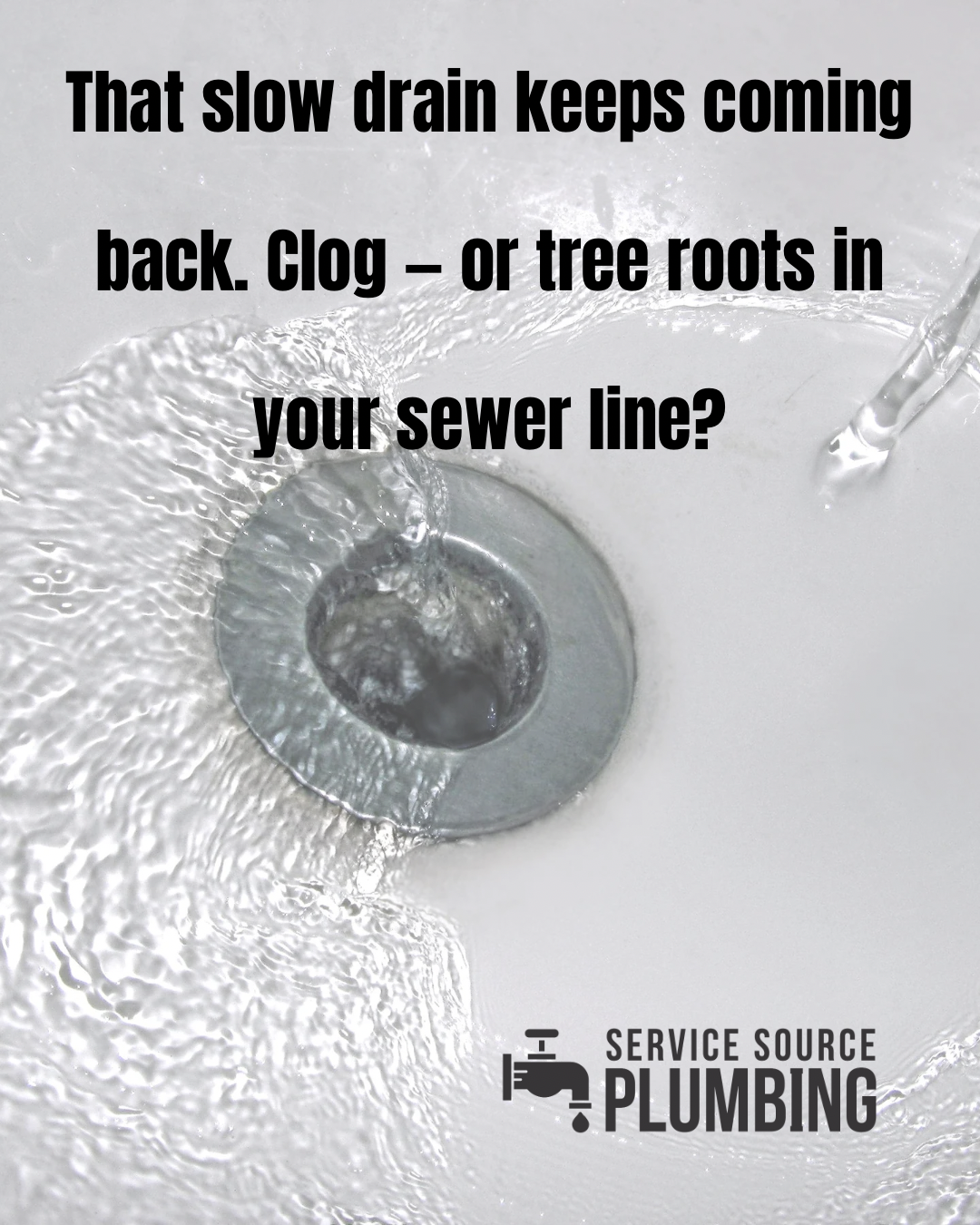
A slow drain is one of those problems most homeowners try to solve themselves first — and usually that's the right instinct. A hair clog in the shower drain or grease buildup in the kitchen sink is genuinely a DIY situation. But some slow drains aren't localized clogs at all. They're symptoms of tree root infiltration, main line bellying, or mineral scale buildup that's been narrowing your pipes for years. Knowing the difference between those two situations is the most important drain knowledge a Clark County homeowner can have — because treating a main line problem like a bathroom clog makes it worse, not better. Service Source Plumbing handles drain cleaning and clog removal throughout Yacolt and Clark County. This guide tells you what's causing your drain problem, what you can do yourself, and when it's time to call us.
The new season is a great reason to make and keep resolutions. Whether it’s eating right or cleaning out the garage, here are some tips for making and keeping resolutions.
Lists are great ways to stay on track. Write down some big things you want to accomplish and some smaller things, too.
Check the list regularly
Don’t forget to check in and see how you’re doing. Just because you don’t achieve the big goals right away doesn’t mean you’re not making progress.
Reward yourself
When you succeed in achieving a goal, be it a big one or a small one, make sure to pat yourself on the back.
Think positively
Positive thinking is a major factor in success. So instead of mulling over things that didn’t go quite right, remind yourself of things that did.
Why Drains Clog — The Most Common Causes in Clark County Homes
Understanding what's causing the clog determines which solution actually works. Clark County's specific combination of water chemistry, soil conditions, and housing stock creates a predictable pattern of drain issues:
Hard water mineral scale Clark County's groundwater — particularly well water in rural Yacolt and surrounding communities — contains calcium and magnesium that deposit inside pipe walls over time. This scale narrows the effective pipe diameter gradually, creates a rough surface that catches debris, and combines with soap scum to form the stubborn blockages that neither plunging nor chemical cleaners reliably clear. This is the most regionally specific drain problem in Clark County and the one most homeowners don't realize is contributing to their recurring clogs.
Hair and soap scum — bathroom drains Soap scum binds with hair to form dense, sticky masses that catch on drain hardware and accumulate in the P-trap. In Clark County's hard water environment, soap scum forms more readily than in softer water regions — compounding how quickly bathroom drains slow down.
Grease and fat buildup — kitchen drains Cooking oils and fats pour down the drain as liquid but cool and solidify on contact with pipe walls. In cold PNW winters, this process happens faster — grease that might stay mobile longer in a warmer climate solidifies quickly in Yacolt's below-freezing temperatures.
Tree root infiltration — older homes and properties with mature trees Clark County's mature wooded landscape means many properties have established tree root systems that seek out moisture in sewer lines. Roots enter through tiny cracks or loose joints in older pipes and grow into masses that trap debris and cause progressive backups. This is particularly common in Yacolt's established residential areas where homes and trees have grown together over decades.
"Flushable" wipes and foreign objects Wipes marketed as flushable don't break down the way toilet paper does — they catch on pipe hardware and accumulate into significant blockages. This is one of the most common causes of toilet and main line backups in Clark County homes.
Single Drain vs. Multiple Drains — Why the Distinction Matters
This is the most important drain diagnostic concept for Clark County homeowners — and getting it right determines whether you need a plunger or a plumber:
One slow or clogged drain — localized blockage: A single slow drain points to a blockage in the branch line immediately serving that fixture — the P-trap, the sink drain line, or the shower drain. This is almost always DIY territory. Hair in the shower, grease in the kitchen sink, a foreign object in the toilet — the fix is a plunger, a drain snake, or P-trap removal.
Multiple slow drains, gurgling sounds, or sewage odors — main line issue:
| Warning Sign | What It Indicates |
|---|---|
| Multiple fixtures draining slowly simultaneously | Main sewer line blockage or bellying — water has nowhere to go |
| Toilet gurgles when washing machine drains | Air trapped by main line obstruction |
| Sewage backup in basement or lowest floor drains | Main line is fully or nearly blocked — stop using water immediately |
| Persistent sewage odor near drains or in yard | Potential sewer line leak or break underground |
| Unusually green or soggy patches in yard | Sewer line leak below grade — nutrient-rich waste water reaching the surface |
| Clog returns within days of clearing | Structural issue — tree roots, bellied pipe, or scale — not a surface clog |
If you're seeing multiple warning signs — stop using water and call Service Source Plumbing immediately. A main line backup that continues with active water use leads to raw sewage backing up into the lowest drains in the home — a Category 3 biohazard situation that's far more expensive to remediate than the original plumbing repair.
The DIY Drain Cleaning Guide — What Works and What Doesn't
For single-drain, localized clogs — here's what genuinely works and what makes the problem worse:
What works:
Plunger — for toilet and sink clogs A cup-style plunger for sinks and tubs, a flange plunger for toilets. Cover the overflow hole with a damp rag before plunging sinks — this ensures pressure goes to the clog rather than escaping through the overflow. Consistent, controlled pressure works better than aggressive force.
Plastic drain snake / hair removal tool — for bathroom drains Flexible plastic hair snakes with barbed edges are highly effective for the hair-and-soap-scum clogs that are the most common cause of slow bathroom drains. Insert, rotate, and pull — the barbs catch hair and pull it out rather than pushing it deeper. These cost a few dollars and solve the most common bathroom drain problem.
Boiling water with dish soap — for kitchen grease clogs Pour boiling water in stages with 30-second intervals, not all at once. Adding dish soap before each pour helps emulsify and break down fat. This works specifically for grease clogs — it does not work for hair, mineral scale, or structural issues.
Baking soda and vinegar — for mild clogs and odors Half a cup of baking soda followed by half a cup of white vinegar — cover the drain and let it fizz for 15 minutes, then flush with hot water. Effective for mild clogs and drain odors. Not effective for significant blockages.
P-trap removal — for sink drain clogs near the fixture The U-shaped pipe beneath every sink catches debris and is frequently where sink clogs accumulate. Place a bucket beneath it, unscrew the slip joints by hand, remove and clean the trap, and reinstall. Takes 5 minutes and solves a surprising number of persistent sink clogs.
What makes it worse:
| Approach | Why It's Counterproductive |
|---|---|
| Chemical drain cleaners | Covered in detail in the next section — avoid entirely |
| Wire coat hanger | Scratches interior pipe surfaces, creating rough spots that catch future debris |
| Excessive plunger force | Can crack older pipes or dislodge joints — particularly relevant in Clark County's aging housing stock |
| Boiling water in PVC systems | Can soften PVC pipe fittings — use very hot but not fully boiling water for PVC |
Why Chemical Drain Cleaners Are Usually the Wrong Choice
The instinct to reach for Drano or a similar product is understandable — it's in every hardware store and the marketing promises a fast fix. Here's
why it's almost always the wrong approach for Clark County homes:
Pipe damage: Chemical drain cleaners use sodium hydroxide (lye) or sulfuric acid to generate heat and dissolve blockages. This chemical reaction corrodes metal pipes from the inside and softens or warps PVC fittings over time. The damage is cumulative — each application degrades the pipe further. Clark County homes with older galvanized or copper pipes are particularly vulnerable.
Temporary fixes that move the problem deeper: Chemical cleaners typically dissolve only a portion of the clog — enough to restore partial flow — while the remainder moves further down the line. The clog returns, often in a location that's harder to access, within days or weeks.
Septic system damage: Homes on septic systems in rural Yacolt and Clark County face a specific additional risk — chemical drain cleaners kill the beneficial bacteria that break down waste in the septic tank. This accelerates septic system failure in a way that's expensive to remediate.
Health and safety risks: Chemical cleaners create toxic fumes in enclosed spaces. If the cleaner doesn't fully clear the clog, it sits in the standing water in the drain — creating a burn hazard for anyone who subsequently works on the pipe, including a plumber you call after the chemical treatment fails.
What to use instead: Mechanical methods — plunger, drain snake, P-trap removal — are safer, more effective for the actual clog, and don't damage the pipe system in the process.
When a Clogged Drain Is a Sign of Something Bigger
These are the signs that what you're dealing with isn't a surface clog — and that DIY approaches won't solve it:
Tree root infiltration Roots enter sewer lines through tiny cracks or loose joints and grow into masses that trap debris and progressively restrict flow. The clog clears temporarily with a snake but returns quickly because the root mass is still there. Yacolt's mature wooded properties and Clark County's established neighborhoods make this one of the most common serious drain issues in this market.
Sewer line bellying Ground shifting causes sections of the sewer line to sag, creating low points where sludge, debris, and paper accumulate. The pipe isn't broken — it's just no longer sloped correctly for waste to flow. This requires camera inspection to diagnose and pipe repair or replacement to correct.
Mineral scale buildup throughout the system Clark County's hard water creates scale buildup not just at fixture drains but throughout the entire pipe system. When scale has been accumulating for years, it can narrow multiple pipes simultaneously — explaining why multiple drains in the home seem to slow down around the same time. Hydro jetting is the appropriate treatment — not repeated chemical applications.
Structural pipe failure Older clay, cast iron, or Orangeburg pipes in Clark County's pre-1980s housing stock crack, offset, or collapse over time. Debris enters the damaged section and creates recurring blockages. Camera inspection confirms structural failure before any repair decision is made.
The rule of thumb: If a clog returns within two weeks of clearing — it's structural. Call Service Source Plumbing for a camera inspection before the next round of DIY attempts makes the access more difficult.
Professional Drain Cleaning Methods — What Service Source Uses
When a clog requires professional intervention, here's the equipment that actually solves the problem:
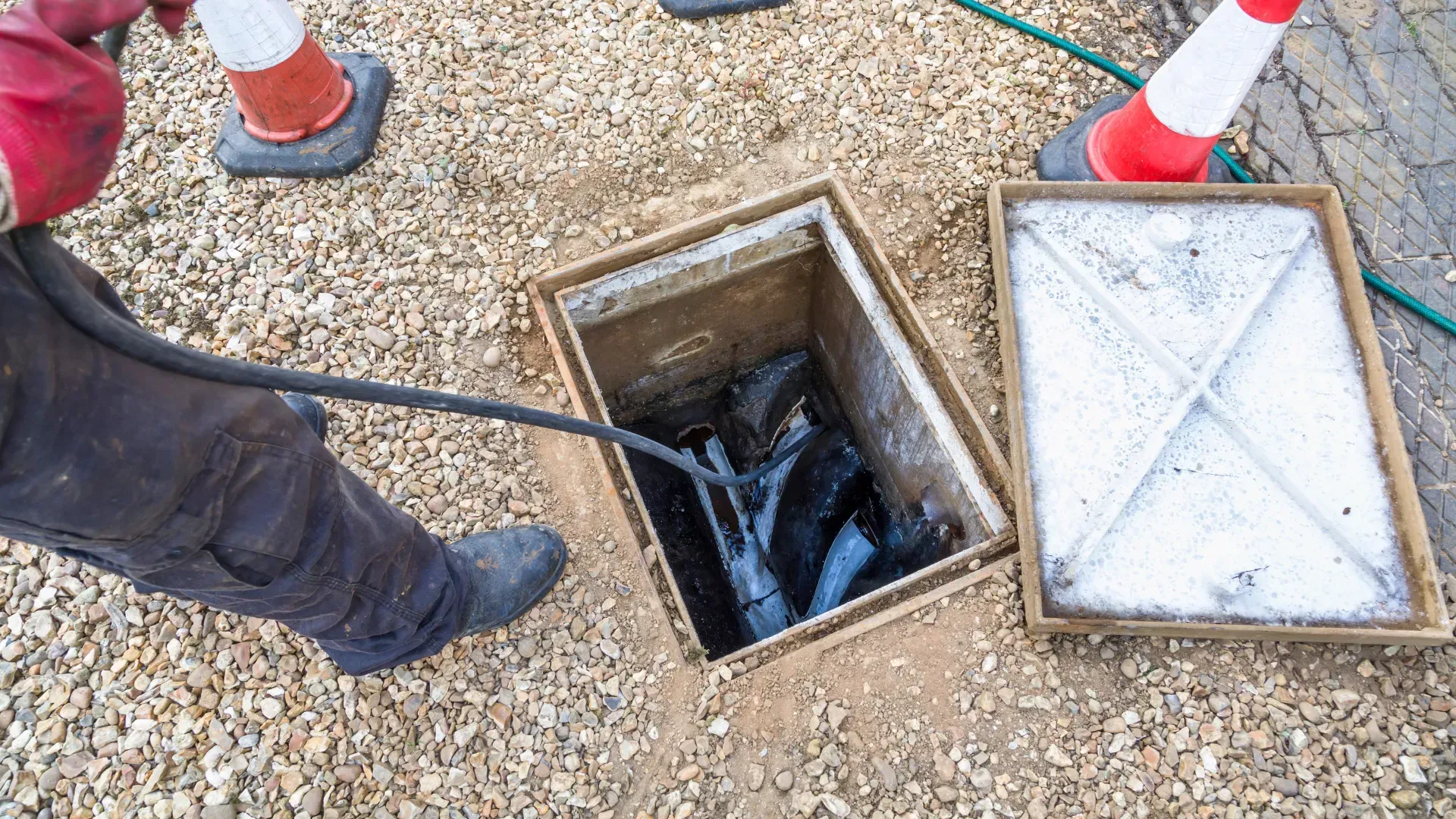
Motorized drain auger (rooter) A long, high-powered rotating cable that breaks up solid obstructions and clears debris in deep drain lines. Far more effective than a hand snake — it reaches deeper, applies more rotational force, and removes debris rather than just pushing it further down the line.
Hydro jetting High-pressure water — up to 4,000 PSI — scours the entire interior circumference of the pipe, removing mineral scale, grease buildup, root masses, and years of accumulated debris from pipe walls. Where a snake pokes a hole through a clog, hydro jetting cleans the full pipe diameter. Particularly effective for Clark County homes with hard water scale buildup throughout the system.
Camera inspection A waterproof fiber-optic camera is inserted into the drain line to identify the exact cause, location, and condition of the blockage — and the condition of the pipe itself. Camera inspection is what separates a guess from a diagnosis. It confirms whether the issue is a surface clog, root infiltration, bellied pipe, or structural failure — so the repair recommendation is based on what's actually there.
When Service Source recommends each method:
- Single localized clog confirmed — motorized auger
- Recurring clog or suspected scale buildup — hydro jetting
- Multiple slow drains, unknown cause, or clog that returns after clearing — camera inspection first, then appropriate treatment based on findings
How Hard Water in Clark County Makes Drain Problems Worse
This is the factor that distinguishes Clark County drain maintenance from most other Pacific Northwest communities — and the reason Yacolt homeowners on well water deal with drain issues more frequently than neighbors on softer water supplies:
Clark County's groundwater — particularly from private wells in Yacolt and surrounding rural areas — contains calcium and magnesium mineral content that deposits inside pipe walls with every gallon of water that flows through them. Over months and years this creates:
- A narrowed pipe diameter that reduces flow and traps debris more readily
- A rough interior surface that catches soap scum, hair, and grease at accelerated rates
- Compounded soap scum — hard water prevents soap from lathering cleanly, generating more soap scum than soft water households experience
- Scale buildup in water heaters, dishwashers, and washing machine hoses that compounds the overall plumbing maintenance burden
The practical implication for drain maintenance: Clark County homeowners with hard water — especially those on well systems — need professional drain cleaning more frequently than soft water households. A water softener installation reduces the rate of scale accumulation throughout the entire plumbing system, extending professional cleaning intervals and reducing the frequency of recurring clogs. For more on water softener options for Yacolt and Clark County, read our water softener installation guide →.
Drain Cleaning Maintenance Schedule for Clark County Homes Prevention is consistently less expensive than emergency service calls. Here's the maintenance schedule Service Source recommends for Clark County homes:
| Drain / System | Recommended Frequency | Clark County Notes |
|---|---|---|
| Kitchen drain | Monthly hot water flush + dish soap; professional cleaning every 2–3 years | Heavy cooking households — every 12–18 months professionally |
| Bathroom drains | Check and clear drain screens monthly; professional cleaning every 2–3 years | Hard water households — more frequent; use drain screens religiously |
| Main sewer line | Professional camera inspection or cleaning every 2–3 years | Homes with mature trees nearby — annual inspection recommended |
| Older homes (pre-1990) | Annual professional inspection | Aging clay or cast iron pipes require monitoring for scale and structural wear |
| Homes on well water | More frequent than city water — assess annually | Well water hardness varies significantly; water test helps calibrate schedule |
| Homes with water softener installed | Extend all intervals by 30–50% | Softener significantly reduces scale accumulation throughout the system |
Signs it's time for professional cleaning before a full clog develops:
- Drains taking noticeably longer to empty than they used to
- Gurgling sounds after flushing the toilet or running the washing machine
- Persistent odors from drains even after cleaning
- Any fixture that has clogged twice in the past six months
Service Source Plumbing: Drain Cleaning Throughout Yacolt and Clark County WA
A slow drain that gets ignored long enough becomes a backup. A backup that goes undiagnosed long enough becomes a sewer line replacement. The homeowners who avoid those escalations aren't lucky — they caught the problem at the right stage and called the right people.
Service Source Plumbing provides drain cleaning, clog removal, and sewer line diagnostics throughout Yacolt, Clark County, and surrounding North Clark County communities — with the local knowledge of Clark County's hard water, mature root systems, and aging housing stock that drives most of the serious drain issues in this market.
What every Service Source drain service includes:
| Service Component | What It Means for You |
|---|---|
| Honest triage first | We tell you whether this is a DIY situation or requires professional service — no unnecessary calls manufactured |
| Camera inspection when needed | We diagnose before recommending — no guesswork repairs |
| Motorized auger service | For localized clogs requiring professional clearing |
| Hydro jetting | Full pipe interior cleaning for scale buildup, recurring clogs, and root mass removal |
| Hard water assessment | We identify whether your drain problems are compounded by mineral scale and what the long-term solution looks like |
| Clark County expertise | We know the tree species, soil conditions, water chemistry, and pipe ages that drive drain problems in this specific market |
| Connection to full plumbing services | If drain diagnosis reveals a larger issue — sewer line, water heater, or whole home assessment — Service Source handles the complete scope |
Don't wait for a slow drain to become a sewage backup. Contact Service Source Plumbing today for drain cleaning and clog removal throughout Yacolt and Clark County WA.
Read: Emergency Plumbing Services in Yacolt WA →
Read: Water Softener Installation in Yacolt WA →
why choose
service source plumbing?
Get in Touch Today
Homeowners and businesses in Battle Ground, Duluth, Hockinson, Vancouver, Orchards, and Walnut Grove rely on us for our:
- 24/7 emergency services – We’re always ready to assist with urgent plumbing issues.
- Experienced professionals – Our team is trained in advanced drain cleaning techniques.
- State-of-the-art equipment – We use the latest tools to ensure safe and effective unclogging.
- Commitment to customer satisfaction – We deliver reliable, long-term plumbing solutions.
- Preventative inspections – We don’t just fix the issue; we help you prevent future problems.
Recent Posts