Why Does Water Back Up in the Bathtub When You Flush the Toilet?
| Potential Service | Estimated Market Context |
|---|---|
| Simple drain snaking | $100-$275 |
| Sewer line cleaning | $150-$800 |
| Sewer camera inspection | $125-$500 |
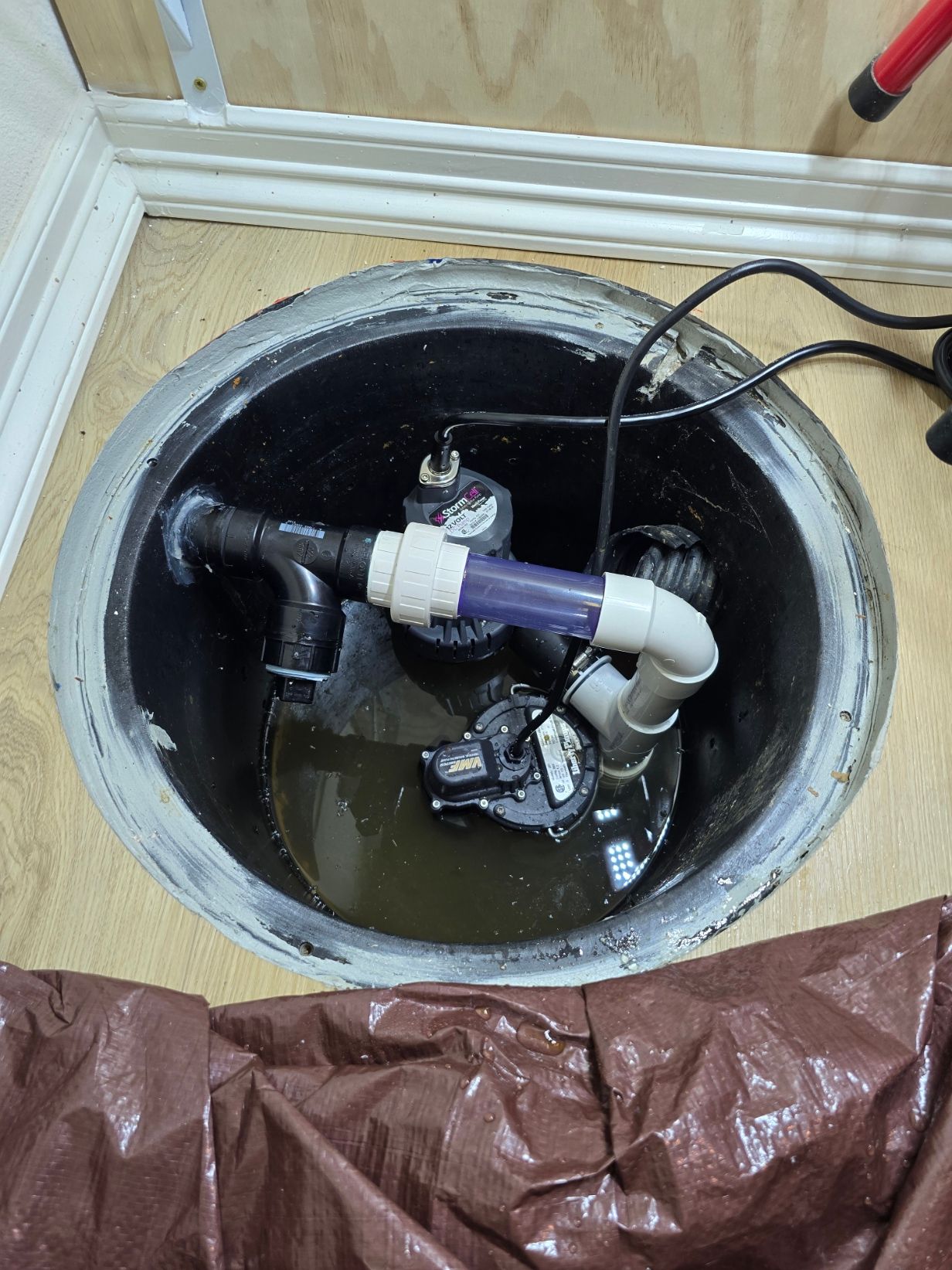
| Sump pump repair | $380-$550 |
| Septic tank repair | $600-$3,000 |
We explain what we find before recommending a larger scope. A burst pipe creates enough disruption already without replacing plumbing that is still serviceable.
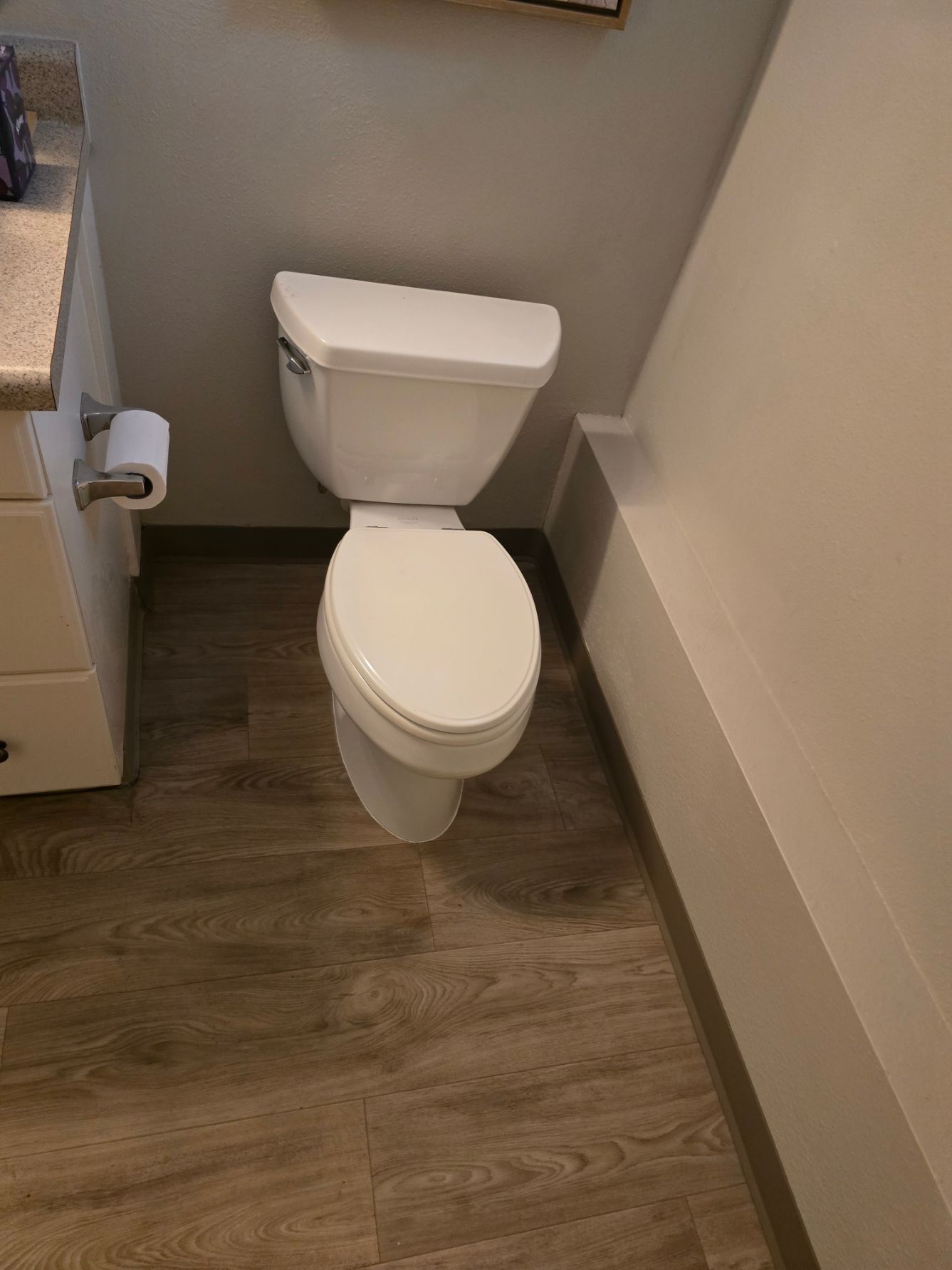
When water backs up in the bathtub when the toilet flushes, a restriction downstream of both fixtures is a common explanation. The toilet and tub may share part of their drainage route, so a blockage can prevent the flush from moving away normally. Wastewater can then rise through a lower opening, such as the tub or shower drain. The restriction could be in a shared bathroom branch, the main building drain, or farther along the wastewater route.
Stop flushing and avoid adding more water to the drains while you arrange help. Treat backed-up water as potentially contaminated even if it looks relatively clear. At Service Source Plumbing, we help Battle Ground homeowners identify the affected line before recommending cleaning or repair. The pattern is important, but it does not prove that you need a new sewer line or that the bathtub itself is the source of the clog.
The new season is a great reason to make and keep resolutions. Whether it’s eating right or cleaning out the garage, here are some tips for making and keeping resolutions.
Lists are great ways to stay on track. Write down some big things you want to accomplish and some smaller things, too.
Check the list regularly
Don’t forget to check in and see how you’re doing. Just because you don’t achieve the big goals right away doesn’t mean you’re not making progress.
Reward yourself
When you succeed in achieving a goal, be it a big one or a small one, make sure to pat yourself on the back.
Think positively
Positive thinking is a major factor in success. So instead of mulling over things that didn’t go quite right, remind yourself of things that did.
Why Does Toilet Water Show Up in the Bathtub?
Your toilet and bathtub have separate fixture connections, but their wastewater eventually joins a shared drain route. If a restriction lies beyond that connection, water entering from one fixture may have difficulty continuing downstream. A lower drain can become the place where backed-up water appears. That is why flushing the toilet can change the water level in a tub that nobody is using.
This cross-fixture reaction is more informative than a tub that simply drains slowly after a shower. It tells us to consider connected piping instead of assuming hair immediately below the tub drain explains everything. Our drain unclogging services in Battle Ground start with the affected fixtures, system layout, and blockage history. The objective is to locate the problem rather than treat every drain independently.
Is It a Bathtub Clog or a Shared Drain Problem?
A simple bathtub clog usually affects water leaving that fixture. Cross-fixture backups involve another action, such as a toilet flush, causing water or bubbling at the tub or shower. Several affected fixtures can suggest a restriction farther downstream, although the plumbing layout must be checked. Neither one slow fixture nor several troubled drains tells you the exact pipe location without further investigation.
Notice what has already happened rather than repeatedly testing the system with more water. Tell us whether another bathroom, a floor drain, or a nearby sink has also been affected. A problem confined to one bathroom can follow a different diagnostic path from backups across the house. The distinction helps determine where to inspect and which access point may be useful.
| Existing symptom | What it can suggest | What it does not establish |
|---|---|---|
| Only the tub drains slowly during use | A fixture or nearby drain restriction | That the main sewer line is blocked |
| Flushing raises water in the tub or shower | A restriction along a shared downstream route | The exact blockage location or material |
| Several bathrooms or lower drains back up | A more extensive shared drain or sewer issue | That excavation or replacement is automatically necessary |
| A toilet periodically refills without a flush | A tank or fixture-control issue | That wastewater is backing up through the house |
| Backups recur after previous clearing | An unresolved restriction or pipe condition | Whether more cleaning or repair is the correct answer |
What Should You Do Immediately?
Stop flushing and stop running water into the drains while the backup is active. Let everyone in the household know not to use toilets, showers, sinks, laundry equipment, or the dishwasher until you receive appropriate guidance. The Madison Metropolitan Sewerage District's backup guidance explains why adding water to a blocked system can worsen the overflow. Keep children and pets out of the affected room, and avoid contact with the water.
Do not pour chemical drain cleaner into a tub that may be receiving sewage. Avoid opening a cleanout cap, reaching into contaminated water, or attempting to clear a pressurized backup yourself. If water is near electrical equipment or outlets, stay out of the affected area and seek qualified help. Call us with the symptoms and explain whether water is still rising, spreading onto floors, or affecting more than one fixture.
Information to share when you call
- Which action first caused water to rise in the bathtub or shower.
- Whether the water is still rising or has reached the floor.
- Which other fixtures were already slow, gurgling, or backing up.
- Whether the property uses municipal sewer or a septic system, if known.
- Any prior drain clearing, known root problems, or recent plumbing work.
- Whether chemicals have already been used, including the product name.
- Whether the problem coincides with heavy rain or is occurring in dry weather too.
You do not need to reproduce the backup to provide useful information. Existing observations are enough to begin the conversation. If you rent the property, notify the owner or manager promptly as well.
What Can Block the Shared Drain or Sewer Line?
Wipes, excess paper, accumulated material, roots, and damaged piping are among the possibilities a plumber may investigate. A blockage can develop gradually before a toilet flush finally pushes water toward another fixture. The material may be close to the bathroom or farther along the line. The symptom alone does not identify whether it is a removable obstruction or a defect in the pipe.
A recurring backup deserves particular attention because restoring flow once may not explain why the line restricted in the first place. Roots, for example, can return when an entry point remains, while structural damage is not corrected simply by opening a passage through debris. Tell us about previous service rather than assuming the same method should be repeated automatically. We use the history and findings to distinguish a cleaning problem from a repair problem.
Could the Problem Be Outside the House?
Yes, the affected route may extend beyond the bathroom or building. A private sewer lateral, a condition in the public sewer, or an onsite septic issue can require a different response from an indoor branch clog. For sewer-connected properties, Clark Regional Wastewater District's customer guidance distinguishes problems in private plumbing and side sewers from problems in its public main. Contact the utility that actually serves your property if public-system trouble is suspected, since service boundaries vary.
Homes around Yacolt, Hockinson, and Woodland may have different wastewater arrangements, so tell us what system you have if you know. Do not open a septic tank, enter a sewer structure, or assume pumping will resolve every backup. If the issue appears during storms, our article on plumbing problems heavy rain can reveal provides related context. Rain timing is a clue worth reporting, but it does not establish the source of the restriction.
How Will a Plumber Find the Affected Line?
The diagnostic process begins with the symptoms, connected fixtures, prior problems, and available access. We consider whether the pattern points toward a bathroom branch or a wider drain route before selecting equipment. A suitable cleanout or other appropriate access point can affect how the line is investigated. The aim is to establish enough information to clear the obstruction safely and decide whether further examination is warranted.
A camera inspection can be useful for recurring restrictions, suspected roots, or pipe-condition concerns, but it is not automatically required for every clog. A completely blocked or water-filled line can limit what the camera shows, making some initial clearing necessary. Ask what an inspection can establish and what may remain hidden until flow improves. Clear documentation is especially useful before approving structural repairs or a larger project.
Does It Need Snaking, Cleaning, or Pipe Repair?
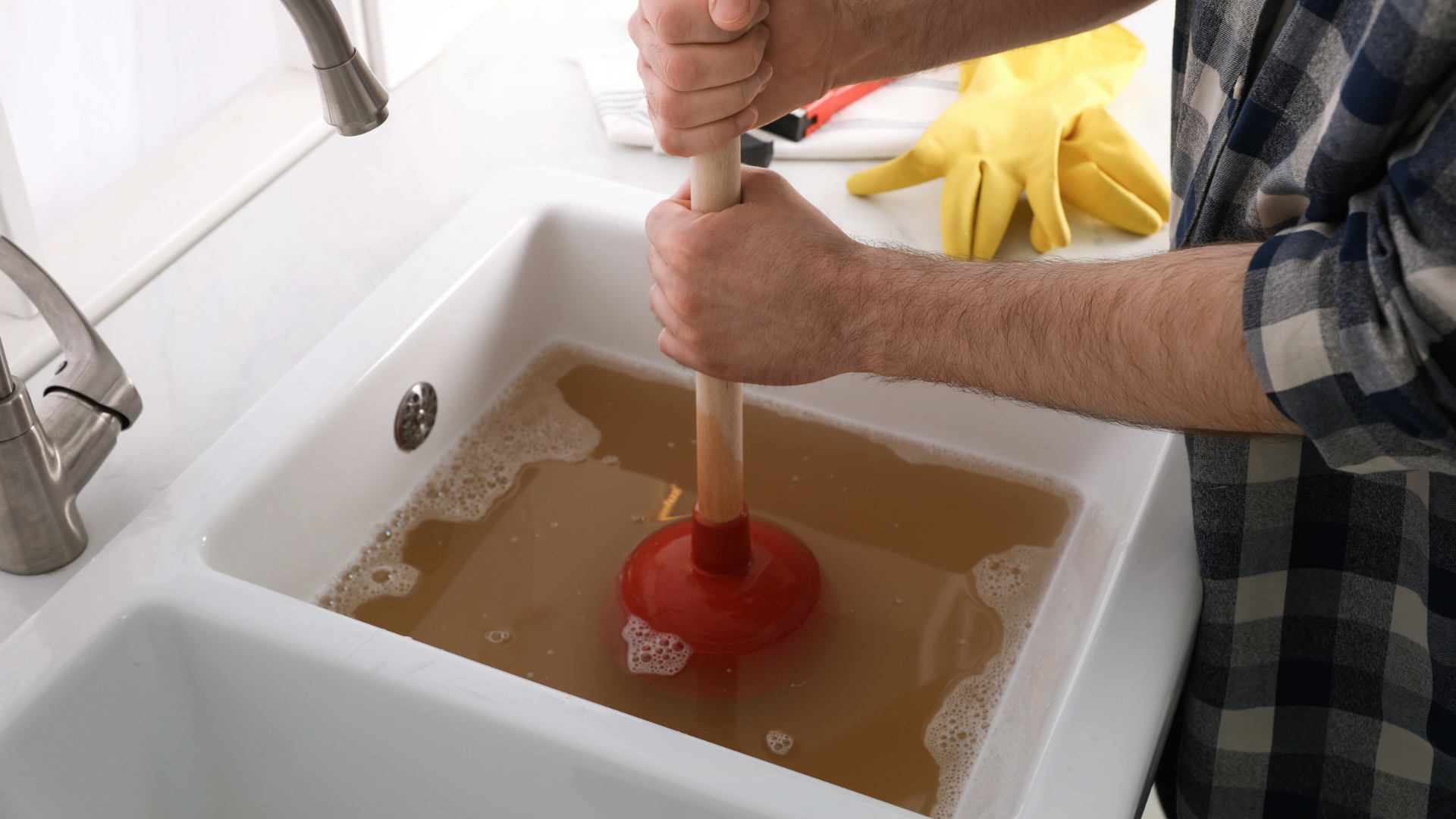
The right method depends on the obstruction, access, and condition of the line. Mechanical snaking may be appropriate for a localized blockage, while broader cleaning may be considered for buildup in suitable piping. Neither method restores a collapsed pipe or corrects a separated joint. Our comparison of drain snaking and hydro jetting explains those methods without treating the more intensive service as automatically better.
Use the decision framework below to understand the recommendation rather than choose equipment before the diagnosis. A first-time removable clog and a repeatedly failing drain may require different follow-through. If evidence supports a damaged pipe, ask where the defect is and how the proposed repair addresses it. We explain the findings before moving from unclogging to a larger scope.
| Decision | Findings that support it | Appropriate next step |
|---|---|---|
| Clear a localized restriction | An accessible obstruction in a shared branch with no identified structural concern | Use a suitable clearing method and verify connected fixture performance |
| Investigate recurring backups | Symptoms return, clearing is incomplete, or roots or damage are suspected | Consider camera inspection and review of the affected line |
| Clean a longer section | Buildup is identified in piping suitable for the proposed method | Select cleaning equipment matched to the condition and access |
| Repair damaged piping | Inspection identifies a defect that cleaning cannot correct | Define the repair location, scope, access, and approvals |
| Coordinate with a utility or septic specialist | Evidence points beyond ordinary indoor drain clearing | Contact the appropriate provider for the actual system |
| Request urgent help | Wastewater is rising, spreading, or affecting multiple fixtures | Stop water use, keep clear, and arrange prompt assistance |
How Much Could Diagnosis and Drain Clearing Cost?
We base your quote on the affected line, access, and work needed to resolve the problem. For a general budgeting reference, HomeGuide's 2026 drain cleaning guide lists 100–275 to clean one drain and 175–600 for multiple drains or a main line nationally. Those ranges cover broad service categories rather than a fixed price for a toilet-triggered bathtub backup. Your estimate from us will reflect the actual scope, including any separately recommended inspection or repair.
An accessible branch blockage can require different work from a recurring main-line restriction with difficult access. Ask whether the proposed price includes opening the line, testing flow, camera work, toilet removal if needed, and any follow-up visit. Emergency scheduling, additional access work, and structural repairs can change the total. Compare what each proposal includes rather than assuming every drain-cleaning price buys the same result.
| Service or scope | Budget information | What to clarify |
|---|---|---|
| One-drain cleaning, national reference | 100–275 | Whether the actual problem is confined to that drain |
| Multiple-drain or main-line cleaning, national reference | 175–600 | Access, clearing method, and what verification is included |
| Camera inspection | Confirm a project-specific price | Whether it is needed, included, or separately authorized |
| Damaged-pipe repair | Quote after diagnosis | Defect location, access, restoration, and repair extent |
| Our proposed service | Based on the inspected scope | Included work, exclusions, and conditions that could change the price |
What Happens After the Water Starts Draining Again?
Restored flow is an important result, but it does not by itself resolve contamination in the tub or on nearby surfaces. Keep the area out of use until it has been appropriately cleaned and disinfected. Significant sewage exposure to flooring, walls, or other materials may require a qualified cleanup provider in addition to plumbing service. Do not mix cleaning products or enter areas where standing water creates an electrical hazard.
Ask what was found, which line was cleared, and whether there is a reason to expect recurrence. Keep any inspection findings and recommendations with your maintenance records. If the same symptom returns, report the previous work so the next visit can build on it. A repeat backup should prompt review of the cause rather than an assumption that repeated temporary clearing is the only option.
How Can You Reduce the Chance of Another Backup?
Once the problem is resolved, ask which preventive steps fit the cause that was actually identified. Avoid flushing wipes, paper towels, hygiene products, or other items that do not belong in the wastewater system. If the issue involved a damaged line or roots, disposal habits alone will not correct the underlying defect. A maintenance plan should follow documented conditions rather than a universal promise that routine cleaning prevents every backup.
Keep the difference between a drainage problem and a toilet-tank problem in mind when new symptoms appear. Our guide to a toilet that keeps running after flushing addresses continued filling, which is different from wastewater rising in another fixture. Homeowners in Vancouver and Ridgefield should report that distinction when requesting service. Accurate symptom descriptions help us focus the diagnosis without unnecessary work on unrelated components.
Frequently Asked Questions
Does water backing up into the tub always mean the main sewer is clogged?
No. A shared bathroom branch can also cause one fixture to back up when another is used. We evaluate the affected fixtures and drain route before identifying whether the restriction is local or farther downstream.
Can I keep using another bathroom while this one is backing up?
Do not assume a separate bathroom has a separate route past the blockage. Stop household water use during an active backup and ask the plumber for guidance. More water from another fixture or appliance could worsen the overflow.
Is the water in the bathtub sewage even if it looks clear?
Treat it as potentially contaminated when it has backed up through the drain in connection with toilet use. Appearance and odor cannot establish that the water is safe. Keep people and pets away and arrange appropriate diagnosis and cleanup.
Will a chemical drain cleaner fix the problem?
Do not use chemical drain cleaners for a suspected shared-line or sewer backup. They do not establish the location or cause and can leave hazardous chemicals in standing water. If you have already used one, tell us the product name before work begins.
Will I need a camera inspection or a new sewer pipe?
Not necessarily. Some blockages can be cleared without replacing piping, while recurring trouble or suspected damage may justify camera inspection. Service Source Plumbing recommends further work based on the findings rather than the bathtub symptom alone.
How do I request help from Service Source Plumbing?
Call (360) 798-5887 or contact us and explain that flushing the toilet causes the tub or shower to back up. Tell us whether water is actively rising and which fixtures are affected. We assist homeowners in Battle Ground and surrounding communities, including Vancouver, Yacolt, Hockinson, Woodland, and Ridgefield.
Get Help Before Another Flush Makes the Backup Worse
If flushing the toilet sends water into your bathtub, stop adding water to the system and arrange professional help. We can investigate the affected drain route and explain the appropriate clearing or repair options. Tell us about prior clogs, rain-related changes, and whether the home uses sewer or septic. Those details help us approach the problem without assuming every backup requires the same solution.
Service Source Plumbing provides drain unclogging and plumbing repair services for Battle Ground and nearby Southwest Washington communities. We explain what we find and what the proposed service includes before recommending a larger scope. Keep the affected area unused and avoid contact with backed-up water while arrangements are made. Contact Service Source Plumbing to discuss the backup and request appropriate service.
Helpful Services and Related Reading
why choose
service source plumbing?
Get in Touch Today
Homeowners and businesses in Battle Ground, Duluth, Hockinson, Vancouver, Orchards, and Walnut Grove rely on us for our:
- 24/7 emergency services – We’re always ready to assist with urgent plumbing issues.
- Experienced professionals – Our team is trained in advanced drain cleaning techniques.
- State-of-the-art equipment – We use the latest tools to ensure safe and effective unclogging.
- Commitment to customer satisfaction – We deliver reliable, long-term plumbing solutions.
- Preventative inspections – We don’t just fix the issue; we help you prevent future problems.
Recent Posts