5 Plumbing Repair Jobs You Should Never Try to DIY
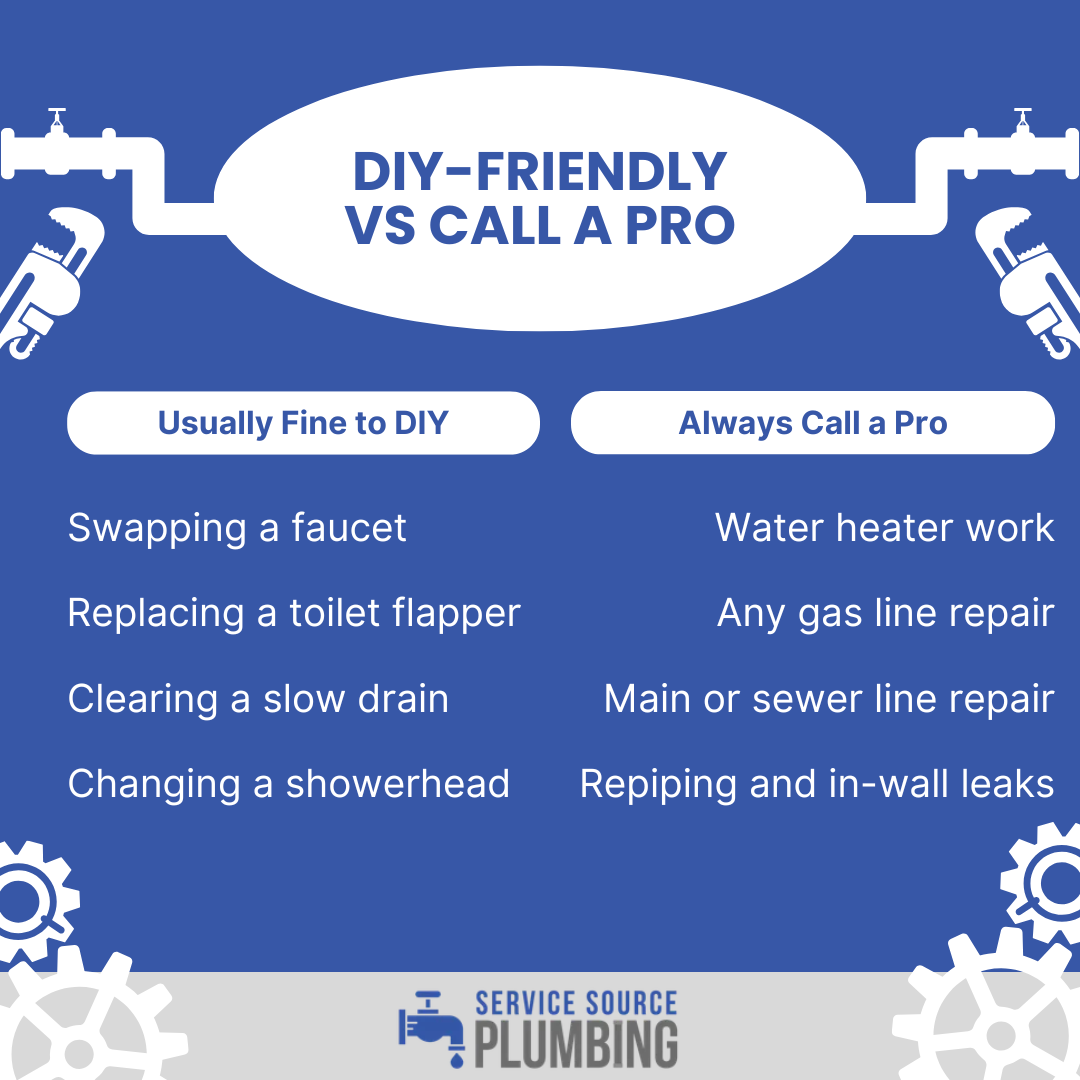
Plenty of plumbing tasks are fair game for a capable homeowner. Swapping a faucet, replacing a toilet flapper, clearing a slow drain, these are reasonable weekend jobs. But some plumbing repairs cross a line where a mistake does not just mean a puddle under the sink. It means gas leaks, carbon monoxide, contaminated drinking water, or thousands of dollars in damage, and those jobs belong to a licensed professional.
The warm, dry days of a Clark County summer are actually the ideal time to get these repairs handled. It is easier and less disruptive to address a water heater, a repipe, or a sewer line now than to discover the problem during the wet fall or a winter freeze, when an emergency is far more likely and far less convenient. Getting ahead of it before the rainy season returns is smart timing.
Service Source Plumbing serves Vancouver, Battle Ground, Yacolt, Hockinson, and the surrounding Clark County communities. This guide covers five plumbing repairs that are genuinely dangerous or costly to DIY, and why each one is worth a licensed plumber.
The new season is a great reason to make and keep resolutions. Whether it’s eating right or cleaning out the garage, here are some tips for making and keeping resolutions.
Lists are great ways to stay on track. Write down some big things you want to accomplish and some smaller things, too.
Check the list regularly
Don’t forget to check in and see how you’re doing. Just because you don’t achieve the big goals right away doesn’t mean you’re not making progress.
Reward yourself
When you succeed in achieving a goal, be it a big one or a small one, make sure to pat yourself on the back.
Think positively
Positive thinking is a major factor in success. So instead of mulling over things that didn’t go quite right, remind yourself of things that did.

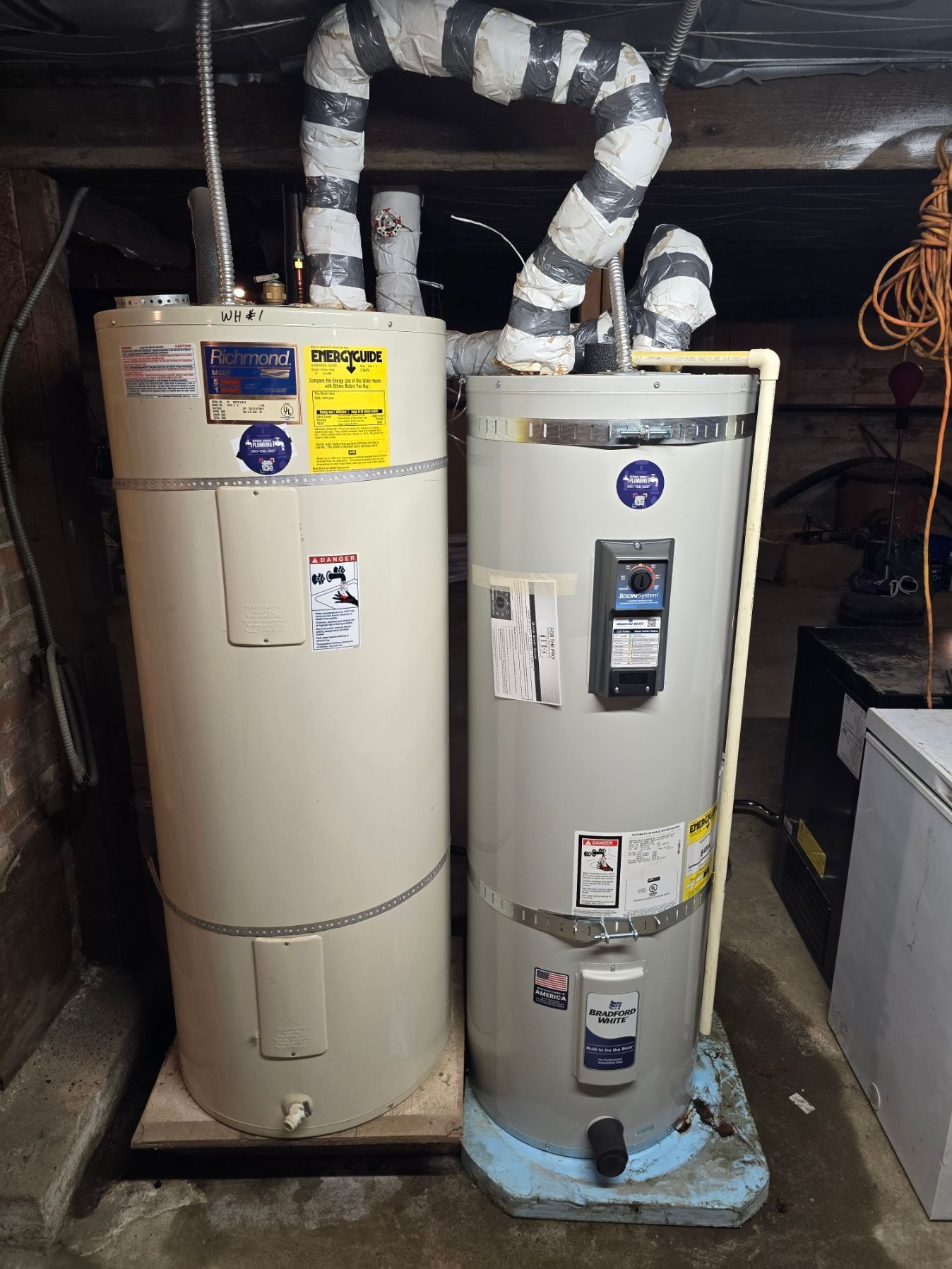
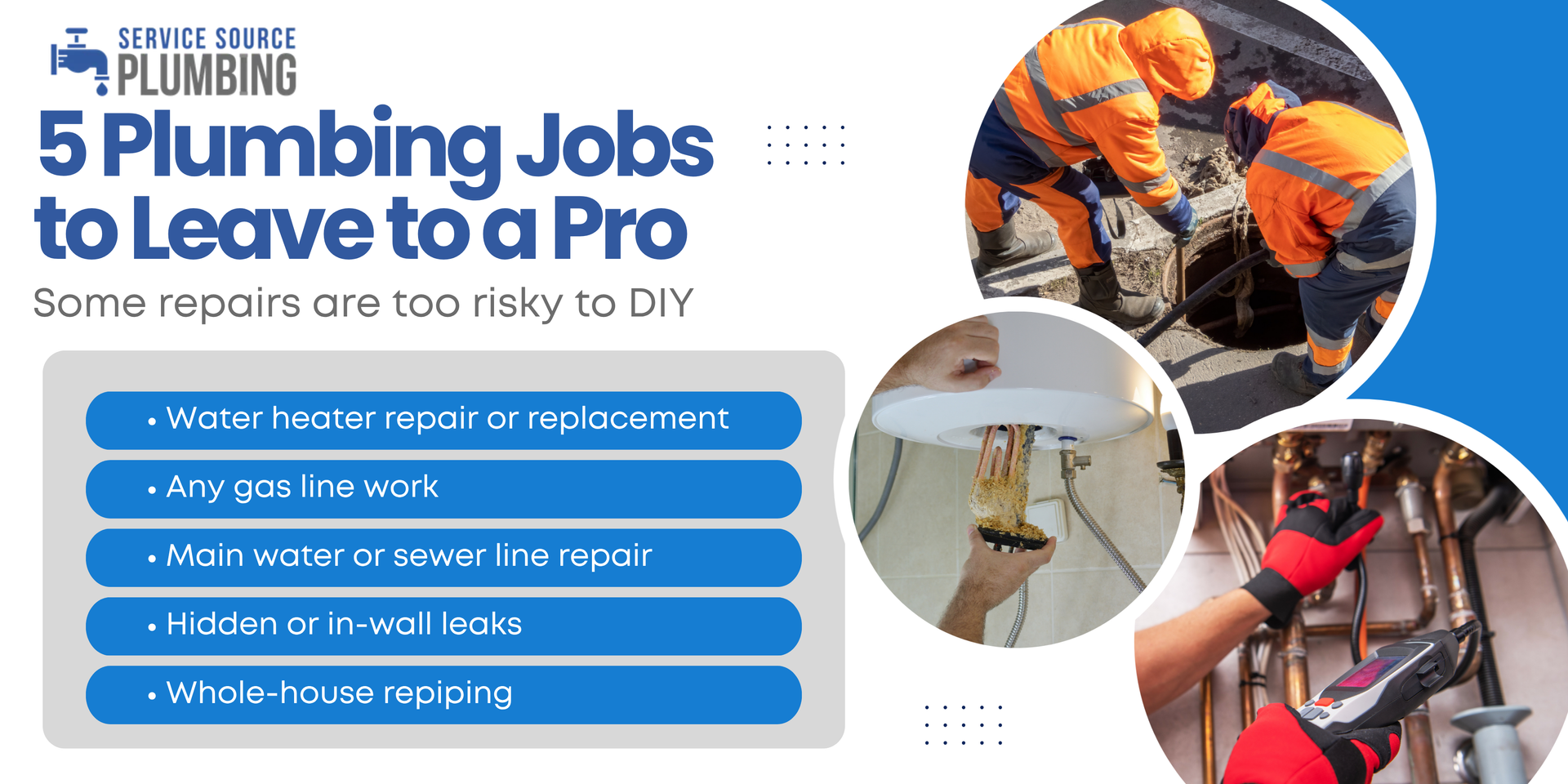
1. Water Heater Repair and Replacement
A water heater looks like a simple appliance, but repairing or replacing one, especially a gas unit, involves risks that put it firmly in professional territory.
The dangers are real and well documented. A gas water heater that is improperly connected can leak gas, and one that is improperly vented can send carbon monoxide back into the home. The Consumer Product Safety Commission reports that carbon monoxide, a colorless and odorless gas, kills hundreds of people in the United States every year and sends thousands more to emergency rooms. A venting mistake on a DIY water heater is exactly the kind of error that creates that hazard, and because the gas is undetectable, the homeowner may not know until it is too late.
Why water heaters need a pro:
- Gas connections risk leaks, fire, or explosion
- Improper venting can cause carbon monoxide buildup
- The tanks are heavy and awkward to move safely
- The work requires a permit in most Washington jurisdictions
Beyond the safety issues, DIY water heater installation typically voids the manufacturer warranty and can affect homeowners insurance coverage. This is a repair where the professional cost is small compared to what a mistake can cost.
2. Any Gas Line Work
If a plumbing repair involves a gas line in any way, it is not a DIY job, full stop. This is the clearest line in the whole list.
Gas line work carries the risk of leaks that can lead to fire, explosion, or asphyxiation, and it is regulated accordingly. In Washington, gas piping work requires permits and must meet code. King County's plumbing guidance is direct that installing or changing gas piping requires a separate gas-piping permit, and that inadequate gas supply or venting can allow dangerous carbon monoxide to build up, causing illness and even death. These requirements exist precisely because the consequences of a gas mistake are catastrophic rather than merely inconvenient.
What makes gas work off-limits:
- A leak can cause fire, explosion, or poisoning
- The gas is often undetectable until it is dangerous
- Permits and code compliance are legally required
- Inspections exist specifically to catch fatal errors
There is no version of gas line work that is a reasonable DIY risk. A licensed plumber has the training, the tools to test for leaks, and the permit and inspection process that keeps the work safe.
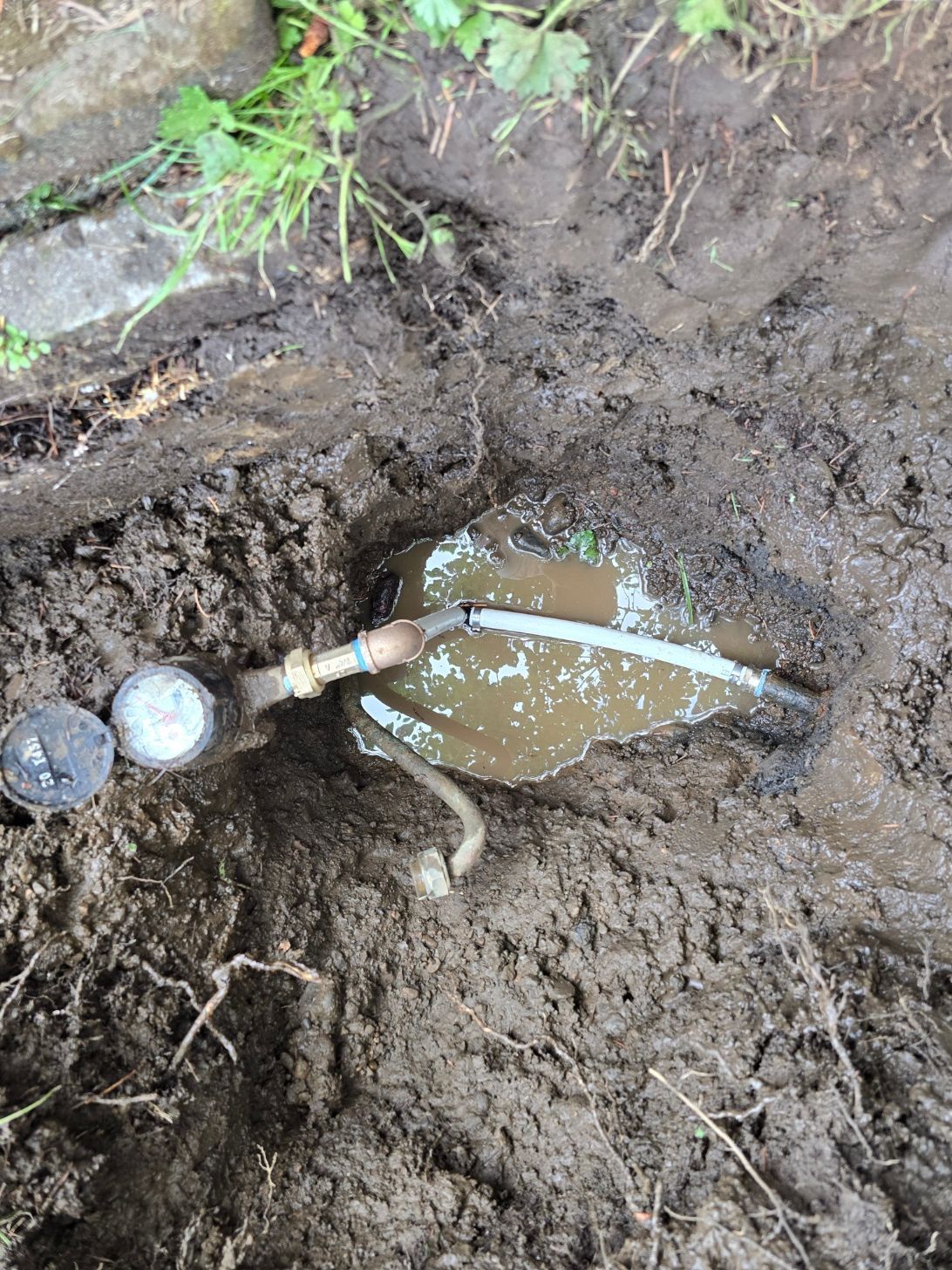
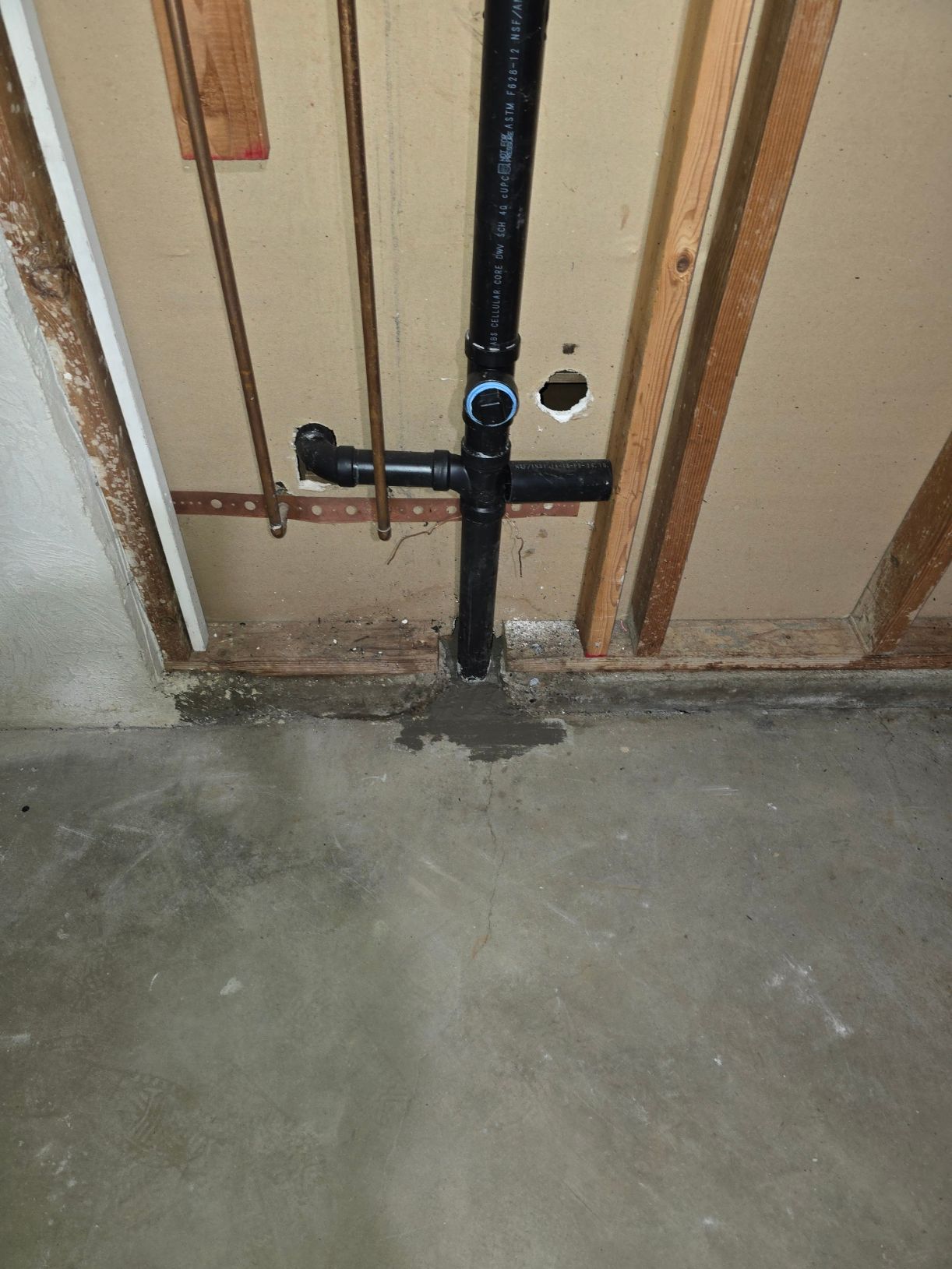
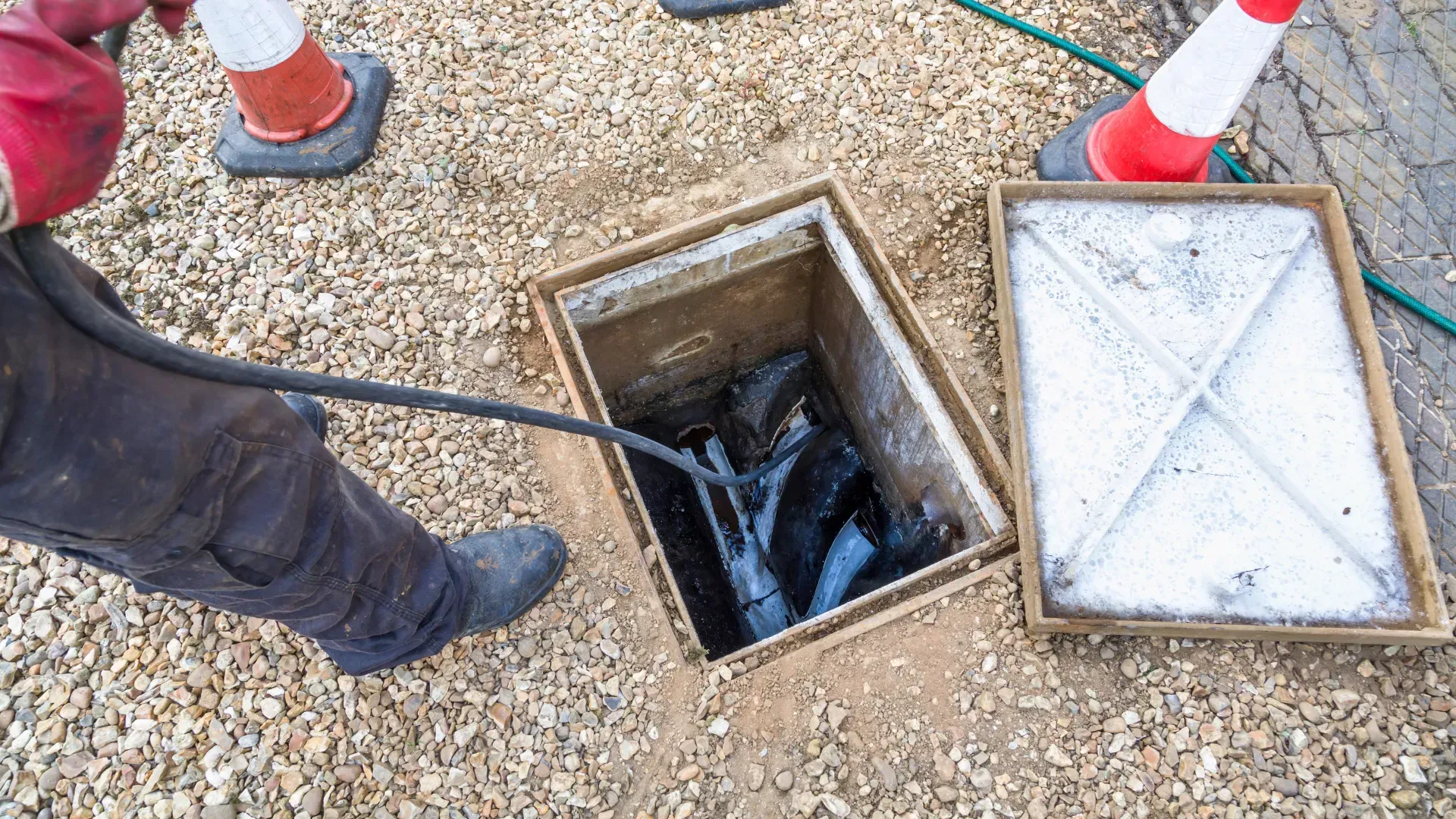
3. Main Water Line and Sewer Line Repair
The main water line and the sewer line are the two connections between a home and the outside world, and repairing either is a job where DIY mistakes get expensive and unsanitary fast.
These lines are buried, often deep, which means the work involves excavation that can hit other utilities, electrical, gas, or communication lines, with serious consequences. Sewer line work adds a health hazard: exposure to raw sewage and the bacteria and gases it carries. And a mistake on either line does not stay small. A botched main water line repair can flood a yard or undermine a foundation, while a sewer repair done wrong can contaminate the property or back sewage into the home.
Why these lines need a professional:
- Excavation risks striking other buried utilities
- Sewer work exposes you to sewage and its hazards
- Mistakes can flood the yard or damage the foundation
- Proper repair requires locating equipment and permits
In the Pacific Northwest, tree roots infiltrating sewer lines are a common cause of these repairs, and the wet season ahead makes an already-compromised line more likely to fail. Handling a known main or sewer line issue during the dry summer is far better than facing it as a winter emergency.
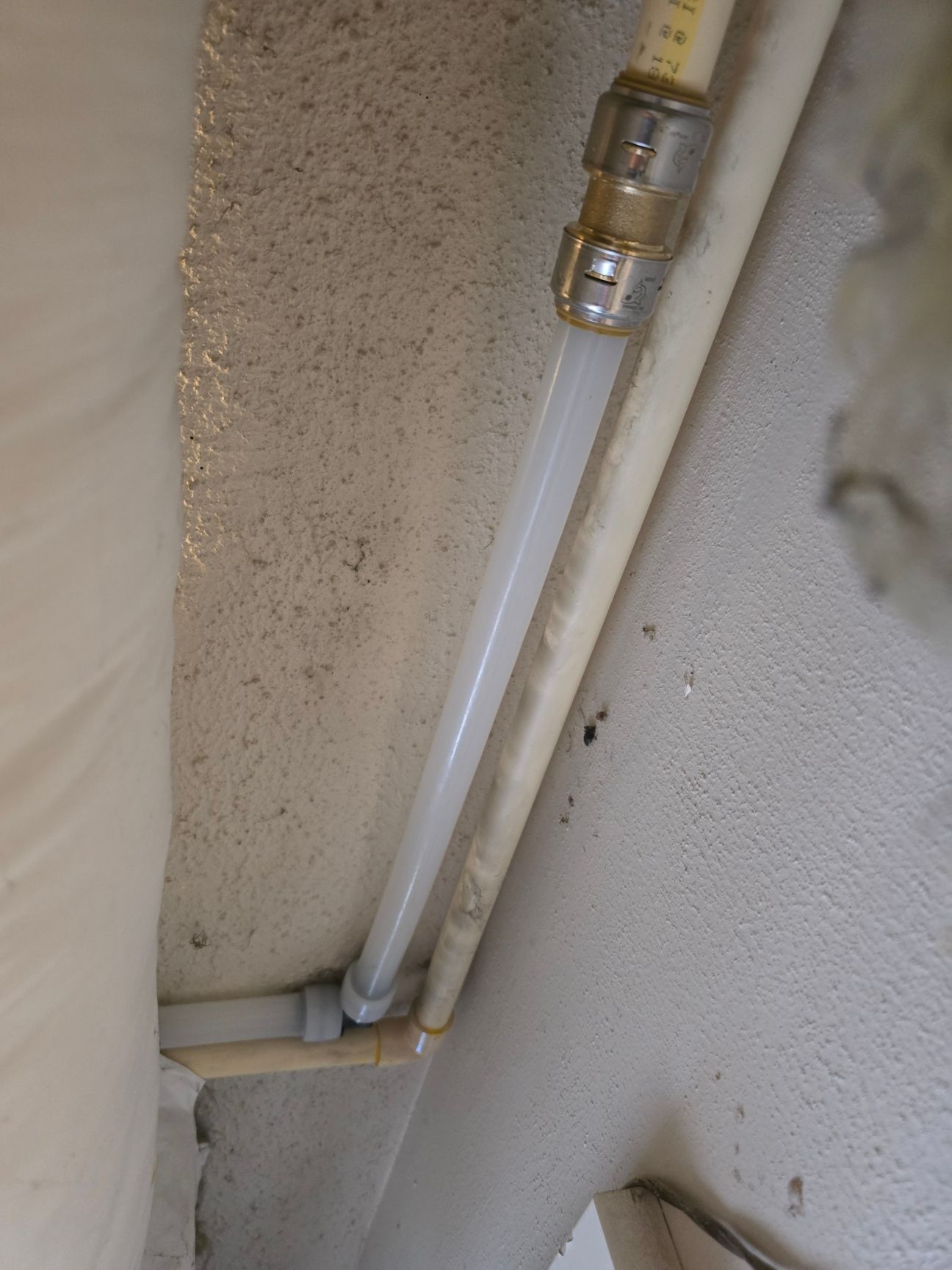
4. Whole-House Repiping
Replacing the pipes throughout a home is a major project that requires skills, tools, and code knowledge well beyond the DIY level, and getting it wrong has consequences that reach the whole house.
Repiping means opening walls, routing new lines correctly, making dozens of watertight connections, and doing it all to code so it passes inspection. A single bad joint hidden inside a wall can leak undetected for months, feeding mold and rotting framing before anyone notices, exactly the kind of hidden damage that Pacific Northwest humidity accelerates. There is also the matter of doing it right for the local water: an improper repipe can create the conditions for the same problems it was meant to solve.
Why repiping needs a pro:
- Dozens of connections must be watertight and to code
- Hidden bad joints leak and feed mold undetected
- The work requires permits and passes inspection
- Material and system choices affect the whole home
Repiping is also a decision as much as a repair, since the choice of materials matters for how the new system performs. The Service Source Plumbing article on
tankless versus traditional water heaters reflects the same principle: on a whole-system investment, the professional assessment is part of the value.
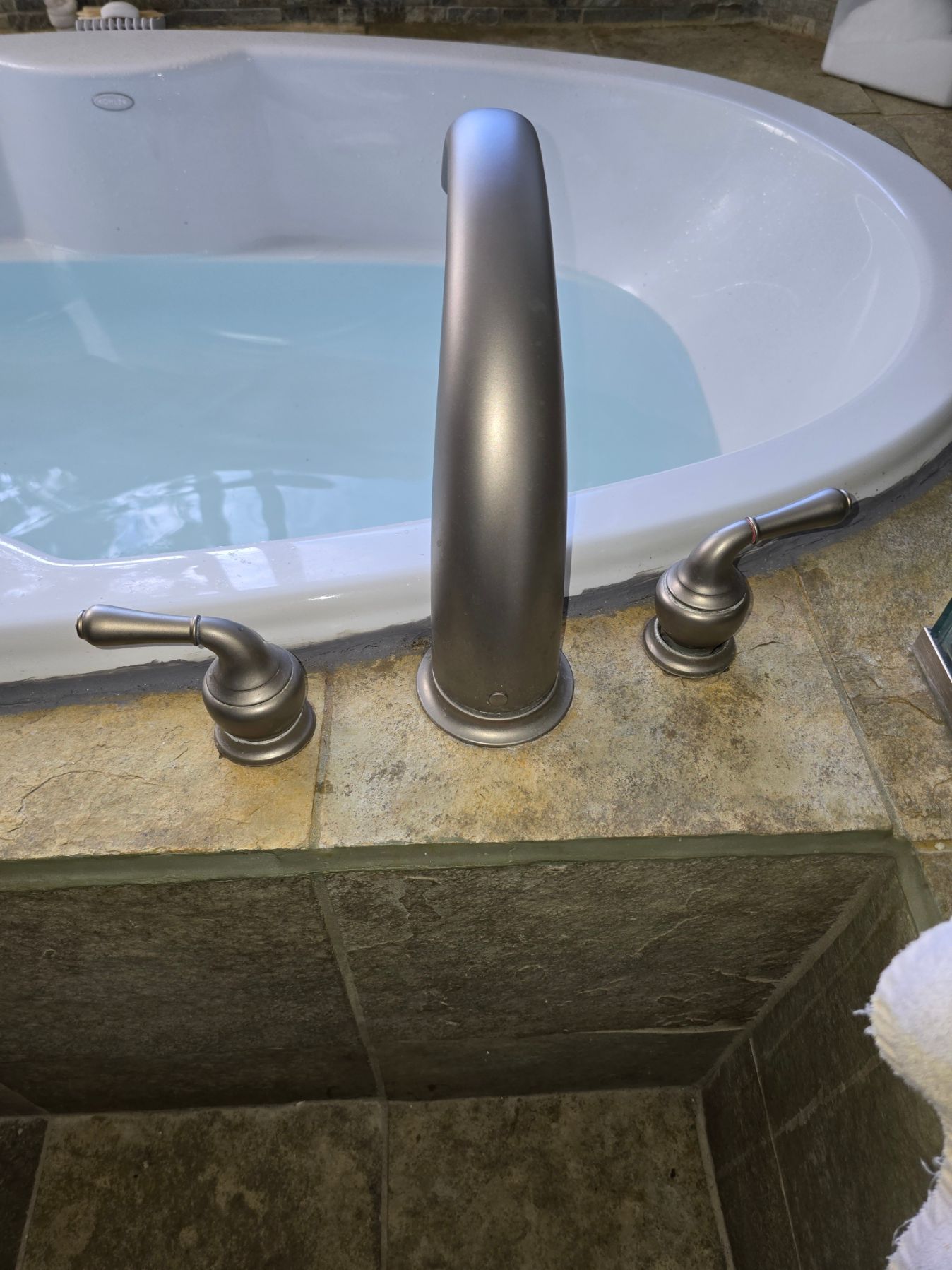
5. Hidden or In-Wall Leaks
When a leak is behind a wall, under a slab, or inside a ceiling, finding and fixing it is a job that DIY efforts tend to make worse rather than better.
The trouble with hidden leaks is that the visible symptom, a stain, a soft spot, a musty smell, is often far from the actual source. Water travels along framing before it shows itself, so cutting into the wall where the stain appears frequently misses the leak entirely while creating new damage. Locating a hidden leak properly takes experience and sometimes specialized equipment. And there is a contamination angle many homeowners never consider: an improper repair can create a cross-connection between clean and contaminated water. The EPA warns that cross-connections can allow contaminated water to reverse direction and enter the drinking water supply during pressure changes, a serious health hazard that proper plumbing practice is designed to prevent.
Why hidden leaks need a pro:
- The visible sign is often far from the source
- Cutting the wrong spot adds damage without a fix
- Locating the leak takes experience and tools
- Improper repairs can risk water contamination
A licensed plumber finds the actual source, fixes it correctly, and does so without introducing the contamination or structural risks that a guess-and-cut approach invites.
What's Safe to DIY, and What Isn't
The line between a reasonable DIY job and a call-a-pro job comes down to what happens when something goes wrong. Low-consequence tasks are fair game; high-consequence ones are not.
| Job | DIY or pro |
|---|---|
| Faucet or showerhead swap | DIY-friendly |
| Toilet flapper or fill valve | DIY-friendly |
| Clearing a slow drain | DIY-friendly |
| Water heater repair or replace | Call a pro |
| Any gas line work | Call a pro |
| Main water or sewer line | Call a pro |
| Whole-house repiping | Call a pro |
| Hidden or in-wall leaks | Call a pro |
The pattern is consistent: if a mistake risks gas, contamination, structural damage, or the whole plumbing system, it belongs to a licensed plumber. If the worst case is a small puddle, a confident homeowner can usually handle it.
Why DIY Plumbing Mistakes Cost More Than the Repair
The reason these five jobs are worth a professional is not just safety. It is that the mistakes are expensive in ways that dwarf the cost of doing it right the first time.
| The DIY mistake | What it can cost |
|---|---|
| Improper water heater venting | Carbon monoxide hazard, health risk |
| Gas line error | Fire, explosion, code violations |
| Botched sewer repair | Sewage backup and cleanup |
| Hidden repipe leak | Mold remediation and drywall repair |
| Voided warranty or insurance | Full repair cost out of pocket |
DIY plumbing on these jobs also frequently voids manufacturer warranties and can complicate insurance claims, which means a mistake leaves the homeowner covering the full cost of the damage. Handling these repairs professionally, especially now during the dry summer window before the wet season returns, is the far less expensive path.
Service Source Plumbing provides licensed, professional plumbing repair across Vancouver, Battle Ground, Yacolt, Hockinson, and Clark County. The plumbing repair service covers the full range of these jobs, and for anything urgent, the emergency plumber service is available when a situation cannot wait.
Frequently Asked Questions
Can I legally replace my own water heater in Washington?
In many Washington jurisdictions, a homeowner can do some work on their own primary residence, but water heater replacement typically requires a permit and an inspection, and gas water heaters involve gas-piping work that carries strict requirements. Given the carbon monoxide and gas leak risks, plus the effect on warranty and insurance, this is a job most homeowners are better off leaving to a licensed plumber. Service Source Plumbing handles water heater repair and replacement to code across Clark County.
Why can't I do gas line work myself even if it looks simple?
Because the consequences of a mistake are catastrophic rather than minor. A gas leak can cause fire, explosion, or carbon monoxide poisoning, and the gas is often undetectable until it is dangerous. Washington requires permits for gas piping work specifically because of these risks, and the inspection process exists to catch potentially fatal errors. There is no gas line repair that represents a reasonable DIY risk.
Is summer really a better time for a major plumbing repair?
For non-emergency repairs, yes. The dry Pacific Northwest summer is a less disruptive time to handle a water heater, repipe, or sewer line issue than the wet fall or a winter freeze, when plumbing emergencies spike and scheduling gets tighter. Addressing a known problem now, before the rainy season and cold weather return, avoids turning a manageable repair into an inconvenient emergency later.
How do I know if a leak is one I can fix or one that needs a plumber?
If the leak is visible and at an accessible fixture connection, like under a sink, a capable homeowner can often handle it. If the leak is behind a wall, under a slab, in a ceiling, or if you cannot clearly identify the source, it is a job for a professional. Hidden leaks are frequently far from where the water shows up, and cutting into the wrong spot adds damage without fixing the problem. A plumber can locate the actual source without the guesswork.
Will a DIY plumbing repair affect my home warranty or insurance?
It can. Many manufacturer warranties are voided by DIY installation, particularly on water heaters, and homeowners insurance may decline to cover damage caused by unpermitted or improper work. This means a DIY mistake can leave you paying the full cost of both the repair and any resulting damage. The professional cost is often small compared to that exposure, which is part of why these jobs are worth a licensed plumber.
Does Service Source Plumbing serve Battle Ground, Yacolt, and Hockinson as well as Vancouver?
Yes. Service Source Plumbing provides licensed plumbing repair, water heater service, repiping, and emergency plumbing across Vancouver, Battle Ground, Yacolt, Hockinson, and the surrounding Clark County communities. The team handles the jobs that carry real risk, so homeowners get the repair done safely and to code.
If you have a water heater, gas line, main or sewer line, repiping, or hidden leak issue in your Vancouver, Battle Ground, Yacolt, or Hockinson home, Service Source Plumbing can handle it safely and to code. The dry summer is the right time to get ahead of these repairs before the wet season returns, and the team is here when you need it.
why choose
service source plumbing?
Get in Touch Today
Homeowners and businesses in Battle Ground, Duluth, Hockinson, Vancouver, Orchards, and Walnut Grove rely on us for our:
- 24/7 emergency services – We’re always ready to assist with urgent plumbing issues.
- Experienced professionals – Our team is trained in advanced drain cleaning techniques.
- State-of-the-art equipment – We use the latest tools to ensure safe and effective unclogging.
- Commitment to customer satisfaction – We deliver reliable, long-term plumbing solutions.
- Preventative inspections – We don’t just fix the issue; we help you prevent future problems.