Why You Should Test Your Sump Pump Before Southwest Washington’s Fall Rains
| Potential Service | Estimated Market Context |
|---|---|
| Simple drain snaking | $100-$275 |
| Sewer line cleaning | $150-$800 |
| Sewer camera inspection | $125-$500 |
| Sump pump repair | $380-$550 |
| Septic tank repair | $600-$3,000 |
We explain what we find before recommending a larger scope. A burst pipe creates enough disruption already without replacing plumbing that is still serviceable.
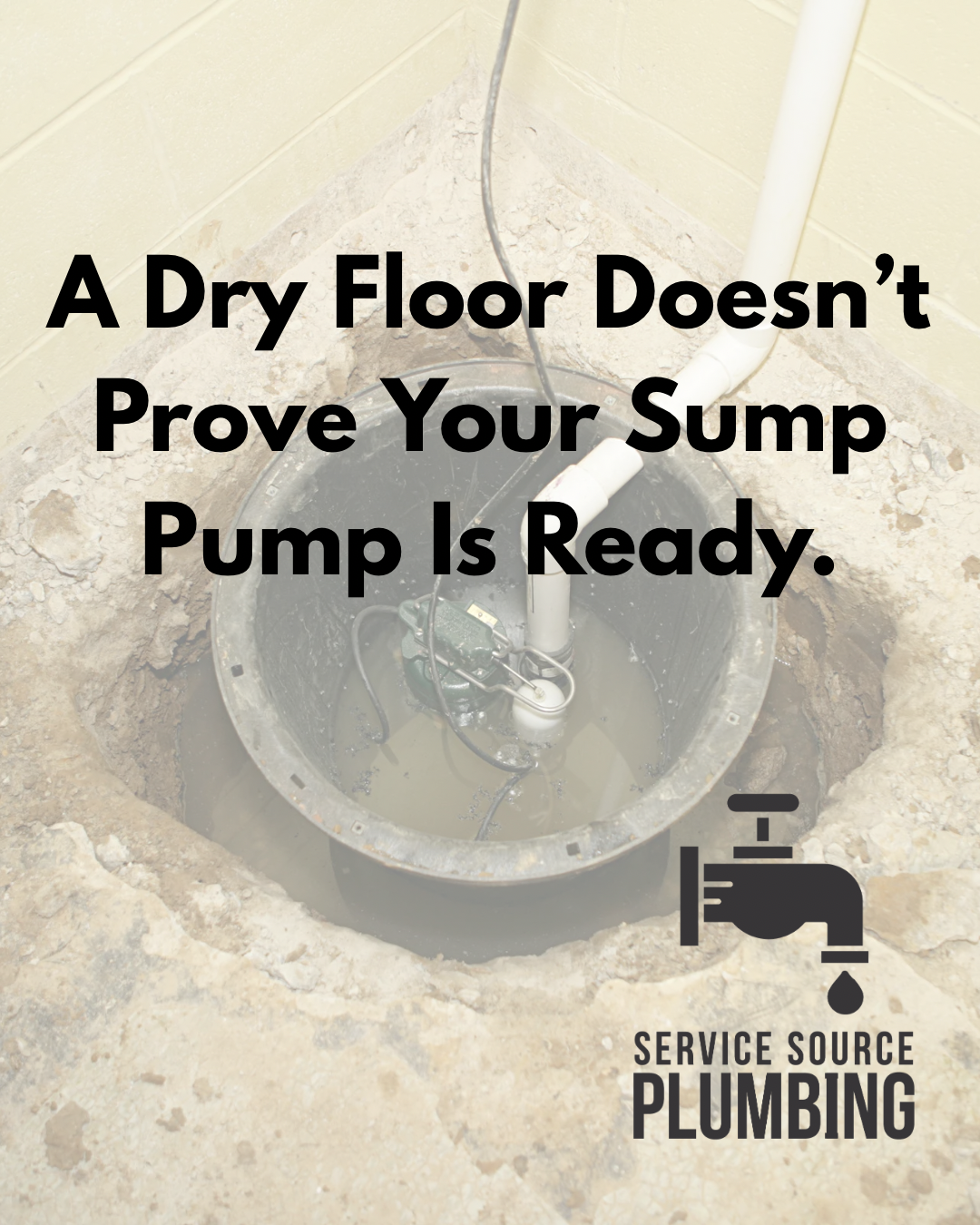
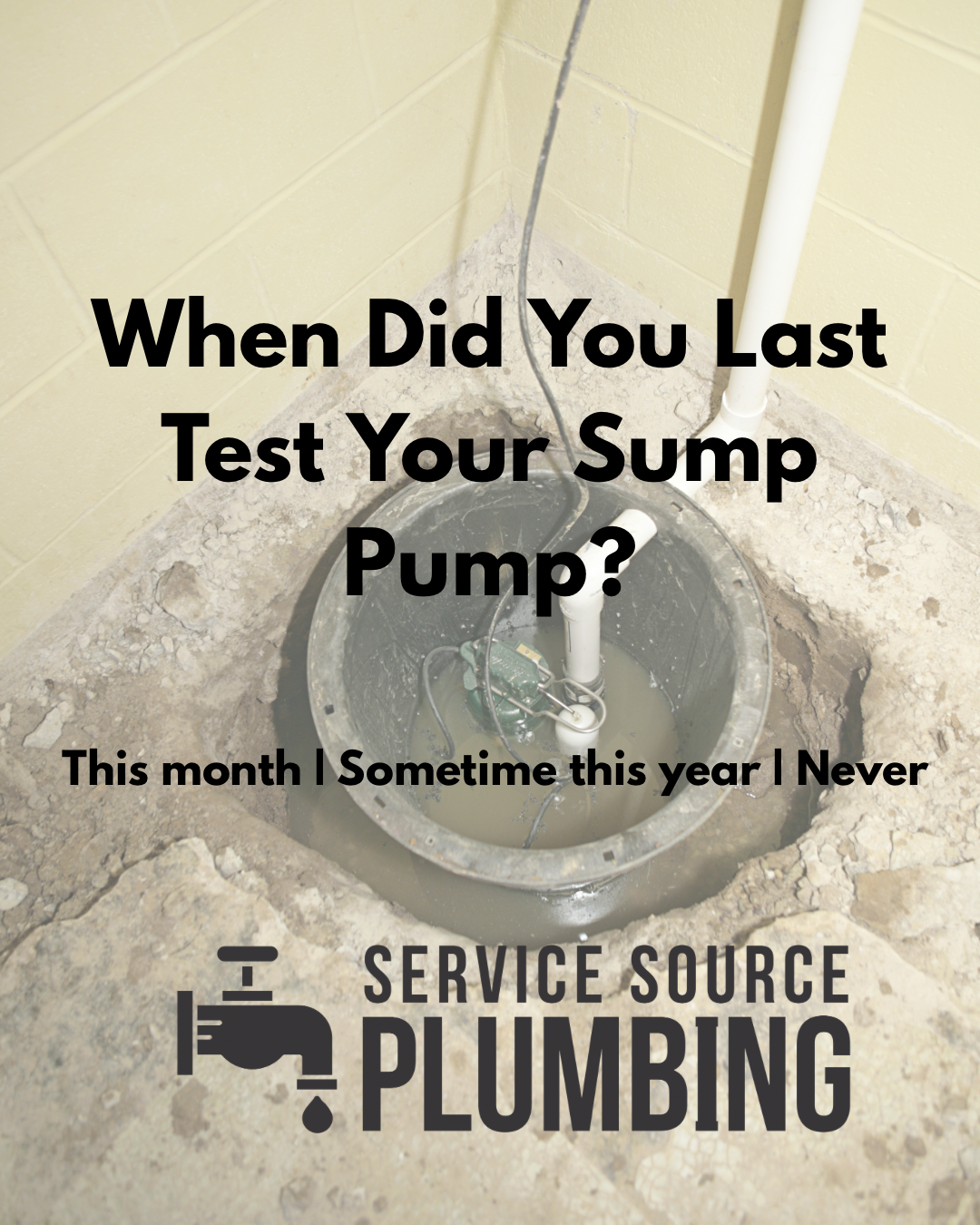
A sump pump can sit quietly for weeks but must start the moment groundwater rises. A dry floor does not prove the system is ready. A controlled test can uncover a stuck float, blocked line, weak motor, or failed backup before wet weather. Learning how to test a sump pump now is easier than finding a failure while water climbs in the basin.
The goal is not simply to hear the motor run. A useful test confirms that the float moves freely, the pump starts automatically, water leaves, and the unit shuts off correctly. It helps determine whether
sump pump maintenance is enough or a professional inspection is needed. Service Source Plumbing provides sump pump installation and related service in Battle Ground when a system needs more than a homeowner check.
The new season is a great reason to make and keep resolutions. Whether it’s eating right or cleaning out the garage, here are some tips for making and keeping resolutions.
Lists are great ways to stay on track. Write down some big things you want to accomplish and some smaller things, too.
Check the list regularly
Don’t forget to check in and see how you’re doing. Just because you don’t achieve the big goals right away doesn’t mean you’re not making progress.
Reward yourself
When you succeed in achieving a goal, be it a big one or a small one, make sure to pat yourself on the back.
Think positively
Positive thinking is a major factor in success. So instead of mulling over things that didn’t go quite right, remind yourself of things that did.
Why a Pre-Rain Sump Pump Test Matters in Southwest Washington
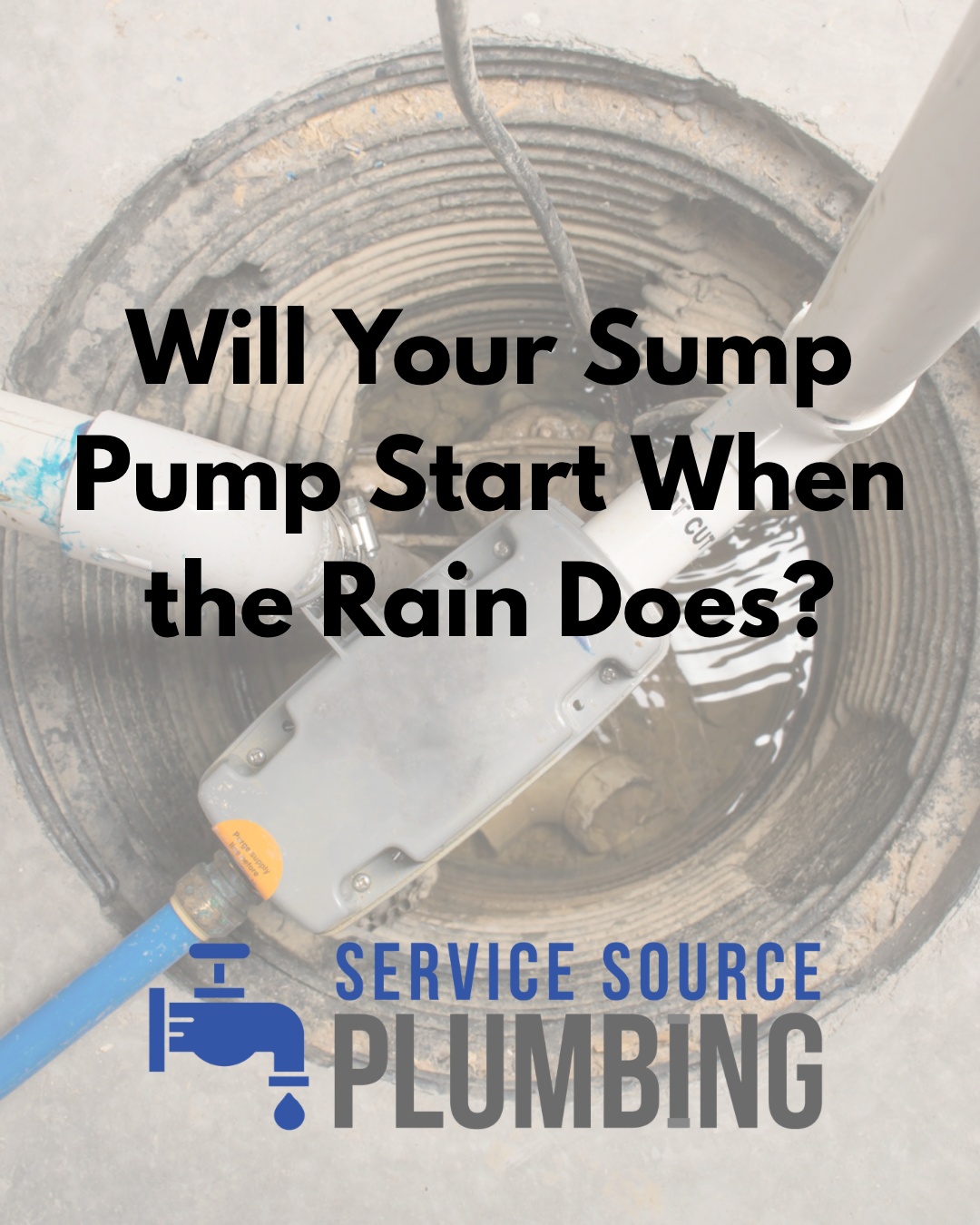
The transition out of the dry season can expose problems hidden while the pump was inactive. The National Weather Service Portland climate resources document the region's strong seasonal shift in precipitation. Saturated soil can send water toward low areas and keep a pump cycling longer. A weak system may pass a quick check but fail under continuous inflow.
Local drainage also affects how much water reaches a home. The City of Battle Ground explains that stormwater is precipitation that does not soak into the soil and instead runs across hard surfaces. Homes in Vancouver, Hockinson, and Orchards differ in slope, soil, runoff, and discharge routing. Testing early leaves time for maintenance, repair, or replacement before water levels rise.
What a Complete Sump Pump Test Should Confirm
A test should cover the whole operating cycle, not just power to the motor. The float must rise without catching on the basin, cord, lid, or pipe. Water should leave steadily, and the check valve should limit backflow after shutdown. The pump should then stop on its own as the water level drops.
The discharge side matters as much as the equipment in the basin. A healthy pump cannot protect the home through a crushed, clogged, or disconnected line. If the layout allows, watch the outlet from a safe location while another adult observes the pump. Never assume a humming sound means water is moving.
| Test observation | What it may mean | Sensible next step |
|---|---|---|
| Pump starts, moves water strongly, and stops normally | Basic operating cycle appears functional | Check discharge area and continue routine testing |
| Motor runs but water level falls slowly | Restricted line, worn pump, excessive lift, or undersized system | Arrange an inspection before sustained rain |
| Water drops, then rushes back into the pit | Check valve may be missing, stuck, or failing | Have the valve and discharge assembly checked |
| Pump does not start as water rises | Power, float, switch, or motor problem | Stop the test and schedule service |
| Pump starts only when the float is moved by hand | Float may be obstructed or unreliable | Remove safe surface obstructions or call for repair |
| Breaker trips, outlet is hot, or a burning odor appears | Possible electrical or motor failure | Keep clear, disconnect power only if safe, and call a professional |
How to Test a Sump Pump Safely
Start by making the area safe and visible. Keep children and pets away, then look for water near the receptacle or cord. If water is close to electrical components, do not perform a hands-on test. A licensed professional should evaluate an unsafe setup.
Use clean water to raise the level gradually and let the float activate the pump. This checks the switch under realistic conditions. Watch one complete cycle, inspect the discharge point, and listen for backflow after shutdown. Never reach into a plugged-in pit or use an extension cord as permanent power.
A Simple Homeowner Test
- Inspect first. Confirm the pump is upright, the float can move, and visible cords and piping are intact.
- Check power. Make sure the plug is secure, but do not reset a breaker that trips repeatedly.
- Add clean water slowly. Stop if the level nears the top without activating the pump.
- Watch the full cycle. The pump should start, lower the water steadily, and stop automatically.
- Check the discharge. Water should exit away from the home without returning to the foundation.
- Test the backup by its manual. Confirm the backup and alarm respond as the manufacturer specifies.
Warning Signs Your Sump Pump May Not Be Working
Some failures are obvious, but others develop gradually. New noise, vibration, short cycling, or unusually long operation deserves attention. Rust, damaged wiring, a loose lid, or debris can also signal trouble. If the pit holds water but the pump is silent, treat it as a likely sump pump failure.
Changes outside the basin matter too. Damp odors, crawl-space moisture, water marks, or recurring foundation puddles may show poor control. Service Source Plumbing's sump pump repair guidance identifies power problems, clogged piping, stuck floats, and worn components as possible causes. A test finds symptoms, while diagnosis explains their cause.
Call for help when you notice:
- No automatic start as the water level rises
- Repeated breaker trips or loss of power at the outlet
- Grinding, rattling, or unusually loud operation
- Rapid short cycling every few seconds
- Continuous running after the basin is nearly empty
- Weak or absent discharge flow while the motor runs
- Water returning immediately after shutdown
- An overflowing pit, active seepage, or rising indoor water
Sump Pump Maintenance That Reduces Failure Risk
Basic maintenance removes conditions that can stop an otherwise usable pump. Clear accessible debris, make sure the float is unobstructed, inspect the lid, and look for visible leaks. Keep the discharge outlet open and confirm water moves away from the structure. Record the date, result, unusual sounds, and repairs for comparison.
Maintenance frequency should reflect risk. It is recommended to do a full test once a year, while high-risk homes may need more checks. Test again after electrical work, a long outage, discharge changes, or a repair. Follow manufacturer instructions for model-specific care.
A useful maintenance checklist includes:
- Test the automatic start and stop cycle with clean water.
- Check that the float moves through its full range without interference.
- Confirm the pump is stable and the intake is not surrounded by debris.
- Listen for new grinding, rattling, humming, or vibration.
- Look for leakage around the check valve and discharge fittings.
- Verify that the exterior outlet is open and carries water away from the home.
- Test the high-water alarm and battery backup using manufacturer instructions.
- Note the pump's age, model, service history, and test results.
Use This Decision Framework After the Test
The right response depends on performance, condition, age, and failure risk. A strong, quiet cycle with clear discharge may require only monitoring. Slow flow, backflow, short cycling, or an unreliable float calls for service even if the motor runs. A unit that trips breakers, overheats, fails to start, or cannot keep up should not be trusted.
Age should inform the decision, not control it. Service Source Plumbing's FAQ says a maintained pump often lasts about
7 to 10 years, though use and site conditions vary. A newer pump may need a switch or valve repair, while an older unit with repeated failures may justify replacement. The inspection should also consider the basin, discharge, power, backup, and actual inflow.
| Test result and condition | Best-fit response | Why it makes sense |
|---|---|---|
| Strong flow, normal sound, automatic start and stop | Maintain and monitor | No failure symptom is present, but periodic tests preserve confidence |
| Debris, minor obstruction, or overdue cleaning with otherwise normal operation | Complete maintenance | Restores reliable movement without replacing working equipment |
| Faulty float, leaking check valve, or repairable discharge fitting | Targeted repair | Corrects a defined component problem when the pump remains serviceable |
| No start, overheating, repeated electrical trouble, severe corrosion, or repeated breakdowns | Consider replacement | Reliability risk may outweigh the value of another repair |
| Pump works, but outages or rapid inflow could overwhelm protection | Add backup, alarm, or system capacity | Addresses risk that a functioning primary pump cannot cover alone |
| Rising water or overflow during the test or a storm | Request urgent service | Immediate property damage is possible and homeowner testing should stop |
When Battery Backup and Alarms Become Important
A primary pump depends on power unless another energy source is available. Storms can interrupt service as groundwater and runoff increase. FEMA flood-preparation guidance recommends a working sump pump and battery-operated backup for power failures. A high-water alarm adds warning time, but it does not remove water.
Backup planning should reflect the property. Finished lower levels, wet crawl spaces, fast-filling basins, travel, and outage history raise the consequences of failure. Battery capacity, flow rate, alarm placement, charging condition, and basin space affect performance. Homeowners should know who receives an alert and what action is possible when nobody is home.
Consider backup protection when:
- The primary pump runs during most sustained rain events.
- The basin fills quickly once groundwater rises.
- The home has experienced outages during storms.
- Finished rooms, equipment, or stored belongings are below grade.
- The property may be vacant during wet weather.
- A previous pump failure caused water damage.
What a Professional Sump Pump Inspection Adds
A homeowner test answers whether the system completes one cycle today. A professional sump pump inspection examines why it behaves that way and whether the installation fits the property. It may cover the pump, float, basin, valve, discharge, power, backup, alarm, and recirculation. The technician can also separate pump trouble from broader drainage problems.
Service Source Plumbing checks the pump, basin, float, valve, power, and discharge line during routine service. We also provide installation, replacement, battery backup, discharge work, and emergency response when needed. Battle Ground homeowners can request a free estimate, and nearby customers can review our service areas. For an overflowing pit or active water entry, call our 24/7 emergency plumbing service instead of continuing the test.
What Sump Pump Service May Cost in 2026
Cost depends on whether the work involves maintenance, repair, replacement, or a new system. Access, pump type, basin condition, discharge routing, electrical work, backup equipment, and timing affect scope. A switch or valve repair is not comparable to cutting concrete and installing a basin. Local quotes should describe the actual work instead of relying on one average.
Service Source Plumbing does not publish a fixed sump pump service price. We provide free estimates because pump type and job complexity affect the total. The figures below are planning context from HomeGuide's updated 2026 cost data, not Service Source pricing. An on-site diagnosis is needed for a Battle Ground project price.
Estimated 2026 Market Context
| Service category | 2026 national planning range | Important scope note |
|---|---|---|
| Annual maintenance plan | $100 to $250 | May include testing and routine care; inclusions vary by provider |
| Typical repair | $200 to $870 | Depends on pump type, failed component, access, and labor |
| After-hours repair premium | $50 to $150 more | Added to the underlying repair in HomeGuide's national data |
| Existing pump replacement | $400 to $700 | Assumes a relatively direct replacement without major construction |
| New installed sump pump system | $600 to $2,500 | Basin, concrete, drainage, electrical, and discharge work may increase cost |
Frequently Asked Questions
How often should I test my sump pump?
Complete a full operating test at least once a year and follow manufacturer instructions. Test more often if the pump runs frequently, protects finished space, or has prior trouble. Check again after major service or a power event. Record changes in sound, speed, and cycling.
Can I test the pump by lifting the float?
Some pumps can be activated by lifting an accessible float, but clean water tests the automatic response more realistically. Do not reach into a powered basin or force an obstructed float. Sealed lids and model-specific mechanisms may require professional access. Follow the manufacturer's directions.
What if the sump pump hums but does not remove water?
A humming motor without flow may mean a jammed impeller, blocked intake, restricted line, bad valve, or mechanical failure. Turn it off only if doing so is safe. Do not let the motor strain while water rises. Arrange service because sound alone does not mean the home is protected.
Why does water return to the basin after the pump stops?
A noticeable rush of returning water often suggests a check-valve or discharge problem. Backflow can make the pump cycle too often. A technician can check valve orientation, pipe layout, and restrictions. Replacing only the pump would not fix a faulty discharge assembly.
Should I replace a sump pump that still works?
Not automatically. Consider age with performance, corrosion, repair history, parts availability, and failure consequences. A reliable system may remain serviceable, while an older unit with intermittent starts may justify replacement. Use risk and condition instead of age alone.
What should I do if the pit is already overflowing?
Stay away from standing water near electrical equipment. Move people and pets out, protect valuables only when safe, and call for urgent help. Do not reset a tripping breaker or touch a submerged plug. Afterward, document the event and evaluate the pump, discharge, and backup plan.
Test Your Sump Pump Before the Next Heavy Rain
A working sump pump can help protect your basement or crawl space when Southwest Washington’s wetter weather arrives. If the pump does not start, drains slowly, makes unusual noises, or cannot keep up with incoming water, the problem should be addressed before the next storm. Service Source Plumbing can inspect the pump, test its components, and explain whether maintenance, repair, or replacement makes the most sense. Acting early can reduce the risk of sump pump failure and avoidable water damage.
Homeowners in Battle Ground, Vancouver, Hockinson, and Orchards can rely on our team for practical sump pump solutions based on the condition of their system. We will check the pump, discharge line, float switch, power supply, and backup protection so you understand what needs attention. Contact Service Source Plumbing today to schedule a sump pump inspection before the rainy season places greater demand on your system.
Sump Pump Installation in Battle Ground, WA
Sump Pump Installation Services
why choose
service source plumbing?
Get in Touch Today
Homeowners and businesses in Battle Ground, Duluth, Hockinson, Vancouver, Orchards, and Walnut Grove rely on us for our:
- 24/7 emergency services – We’re always ready to assist with urgent plumbing issues.
- Experienced professionals – Our team is trained in advanced drain cleaning techniques.
- State-of-the-art equipment – We use the latest tools to ensure safe and effective unclogging.
- Commitment to customer satisfaction – We deliver reliable, long-term plumbing solutions.
- Preventative inspections – We don’t just fix the issue; we help you prevent future problems.
Recent Posts