7 Signs Your Water Heater Needs Repair Before It Completely Fails
A water heater that fails completely does not fail without warning. The warning signs are specific, observable, and almost always present for weeks or months before the unit stops working or begins flooding the utility room. The homeowners who end up with emergency replacement calls, water damage, and a cold morning they will remember are the ones who noticed the signs and decided to wait.
In Vancouver WA, Battle Ground, Woodland, and throughout Clark County, Service Source Plumbing responds to water heater calls that range from a straightforward repair of a single failed component to an emergency replacement after a tank failure has been releasing water into a utility room, garage, or basement. The repair calls are almost always fixable quickly and at modest cost. The emergency calls come with the added expense of water damage cleanup, replacement under time pressure, and whatever was damaged by the failure.
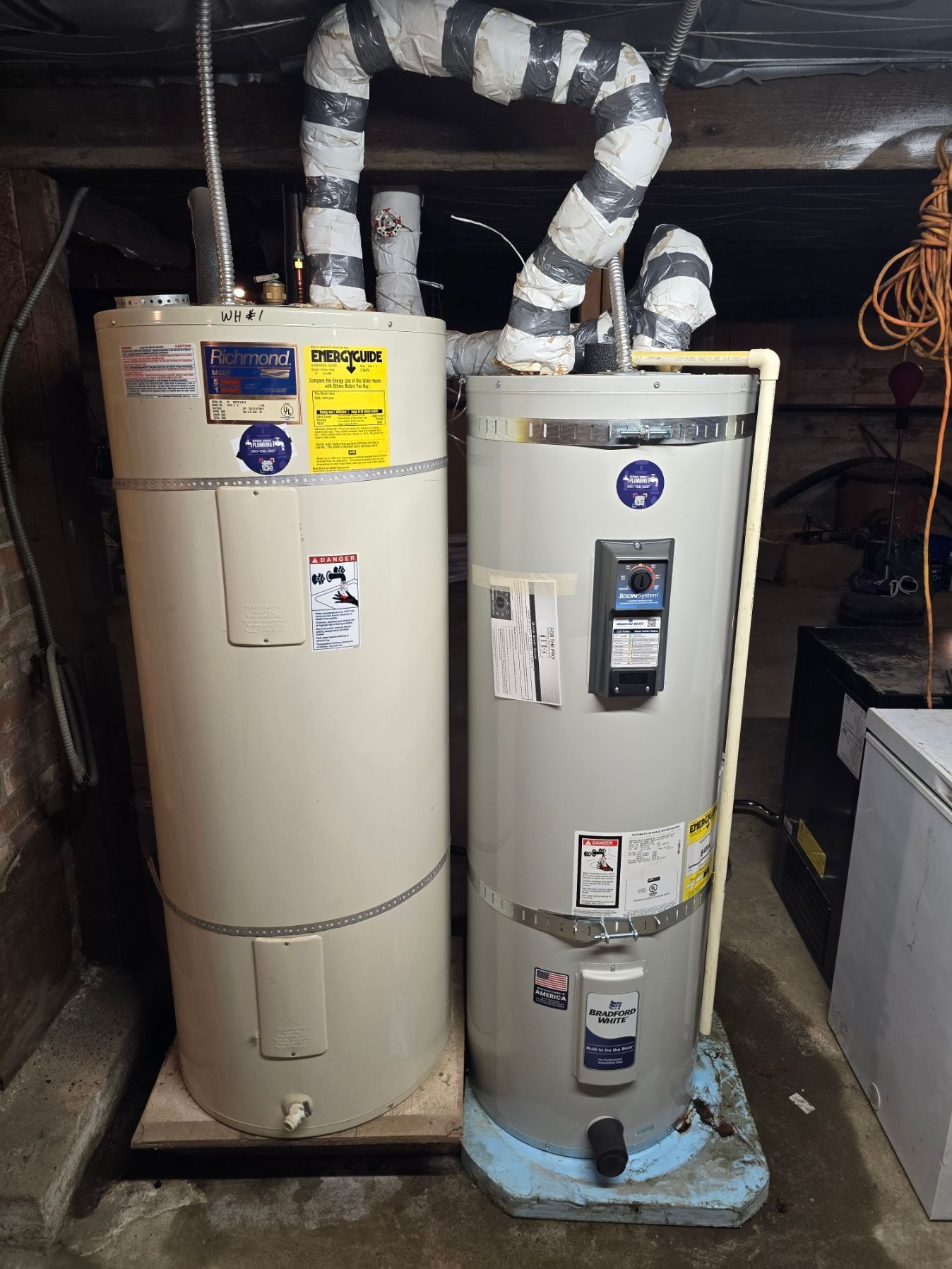
According to Rheem's published guidance, traditional tank water heaters typically last 8 to 12 years, while tankless units last 15 to 20 years or more. What determines which end of that range a unit reaches is a combination of water quality, maintenance history, and whether warning signs were addressed when they first appeared. This guide covers the seven signs that a water heater needs professional attention before it fails completely, and what each sign is actually telling you about the condition of the unit.
The new season is a great reason to make and keep resolutions. Whether it’s eating right or cleaning out the garage, here are some tips for making and keeping resolutions.
Lists are great ways to stay on track. Write down some big things you want to accomplish and some smaller things, too.
Check the list regularly
Don’t forget to check in and see how you’re doing. Just because you don’t achieve the big goals right away doesn’t mean you’re not making progress.
Reward yourself
When you succeed in achieving a goal, be it a big one or a small one, make sure to pat yourself on the back.
Think positively
Positive thinking is a major factor in success. So instead of mulling over things that didn’t go quite right, remind yourself of things that did.

Sign 1: Inconsistent or Insufficient Hot Water
The most recognizable early warning sign is a change in the hot water supply that the household is accustomed to. Water that used to be reliably hot is now running lukewarm before it should. The unit runs out of hot water faster than it used to. The water temperature fluctuates during a single shower without any change in the thermostat setting.
These symptoms point to one of several specific conditions, each with a different repair response:
- Failed or failing heating element: Electric water heaters use one or two immersion heating elements to heat the water in the tank. A failed element reduces the unit's heating capacity, producing water that is warm rather than hot or that runs out significantly faster than the tank's rated capacity would suggest. Heating elements are a replaceable component, and replacement on an otherwise healthy unit is a cost-effective repair.
- Sediment accumulation on the tank floor: In Clark County, water mineral content causes calcium and magnesium deposits to precipitate and settle on the tank floor as water is repeatedly heated and cooled. This sediment layer insulates the heating element or burner from the water above it, forcing the unit to work harder to reach the set temperature and reducing the effective volume of water the tank can heat per cycle. A unit producing insufficient hot water due to sediment may respond to a professional flush, or the sediment may have accumulated to the point where it has caused damage to the tank floor that warrants replacement.
- Thermostat failure: A faulty thermostat does not accurately read or control the water temperature, producing inconsistent output that varies even when demand has not changed. Thermostat replacement is a repair-level intervention on a unit that is otherwise in good condition.
- Undersized unit for current demand: If hot water supply has become insufficient after a change in household size or usage patterns rather than gradually over time, the unit may simply not be sized for the current demand rather than failing mechanically.
Sign 2: Rumbling, Popping, or Banging Sounds
A water heater operating normally produces minimal sound. When a tank-style unit begins producing rumbling, popping, cracking, or banging sounds during heating cycles, it is communicating a specific condition: sediment has accumulated on the tank floor to the point where it is being heated, trapped steam is forcing its way through the sediment layer, and the sounds are the result of that process.
According to verified guidance from multiple water heater manufacturers, popping or rumbling noises are classic sediment buildup symptoms where minerals trap steam at the bottom of the tank. This symptom matters beyond the noise itself for two reasons:
- Sediment accumulation reduces efficiency measurably: The insulating effect of the sediment layer forces the heating element or burner to work harder and longer to heat the same volume of water, increasing energy consumption and utility costs. A unit producing consistent rumbling sounds is running less efficiently than it was before the sediment accumulated.
- Sustained sediment accumulation accelerates tank damage: The overheating that occurs when the heating element or burner is working against a sediment layer creates hot spots on the tank floor that accelerate corrosion and can cause the tank to develop micro-fractures over time. A unit that has been producing these sounds for months has been operating under stress conditions that shorten its remaining service life.
A professional flush that removes the sediment can restore normal operation and extend the unit's service life if the tank floor has not yet been damaged by the overheating cycle. According to Energy.gov, regular maintenance including tank flushing can extend a water heater's life by up to 50 percent. The window where flushing resolves the problem closes as the sediment hardens and the tank damage progresses.
Sign 3: Rusty or Discolored Hot Water
Hot water that appears rust-colored, brown, or murky when it runs from taps, or that produces a metallic taste or odor, is indicating one of two conditions: the anode rod has been depleted, allowing the tank interior to corrode, or the tank itself has developed internal corrosion beyond the point where the anode rod can protect it.
What the anode rod does and why its depletion matters:
Tank-style water heaters contain a sacrificial anode rod, typically made of magnesium or aluminum, that corrodes preferentially to protect the steel tank interior from oxidation. According to State Water Heaters' published guidance, once the anode rod is depleted, rust starts corroding the metallic components within the heater and the unit can begin to leak. An anode rod that has been fully consumed is no longer protecting the tank walls. The corrosion that was being directed to the rod is now occurring on the tank surfaces.
- If the discoloration is isolated to the hot water line: The source of rust is almost certainly the water heater tank, not the supply pipes. Running cold water from the same tap and comparing the two confirms this: clear cold water alongside discolored hot water points directly to the tank.
- If the anode rod is the source: Replacement of a depleted anode rod before the tank has sustained significant corrosion is a repair that can extend the unit's service life meaningfully. A professional inspection determines whether the rod replacement is sufficient or whether tank corrosion has already progressed to the point where replacement is warranted.
- If the tank itself is the source: Internal tank corrosion that has reached the point of producing consistently discolored hot water is not a repairable condition. According to Rheem's guidance, consistent rust in the hot water is usually the point of no return, indicating the tank is deteriorating from the inside and replacement is the only safe solution.
Sign 4: Water Pooling Around the Base of the Unit
Standing water or persistent moisture around the base of a water heater is not a minor maintenance issue. It is a signal that requires immediate professional assessment to determine the source before the situation progresses.
Water at the base of the unit can originate from several sources with very different implications:
- Condensation on the exterior: In Battle Ground and Woodland homes where utility spaces are not climate-controlled, condensation can form on the exterior of a cold water inlet line or on the tank exterior during certain weather conditions. This is not a failure condition, but it should be confirmed as the source before being dismissed.
- Loose or leaking connections: The cold water inlet, hot water outlet, pressure relief valve discharge line, and drain valve connections at the base of the unit can develop minor leaks from fitting degradation, loose connections, or valve seat wear. These are repair-level conditions when addressed promptly.
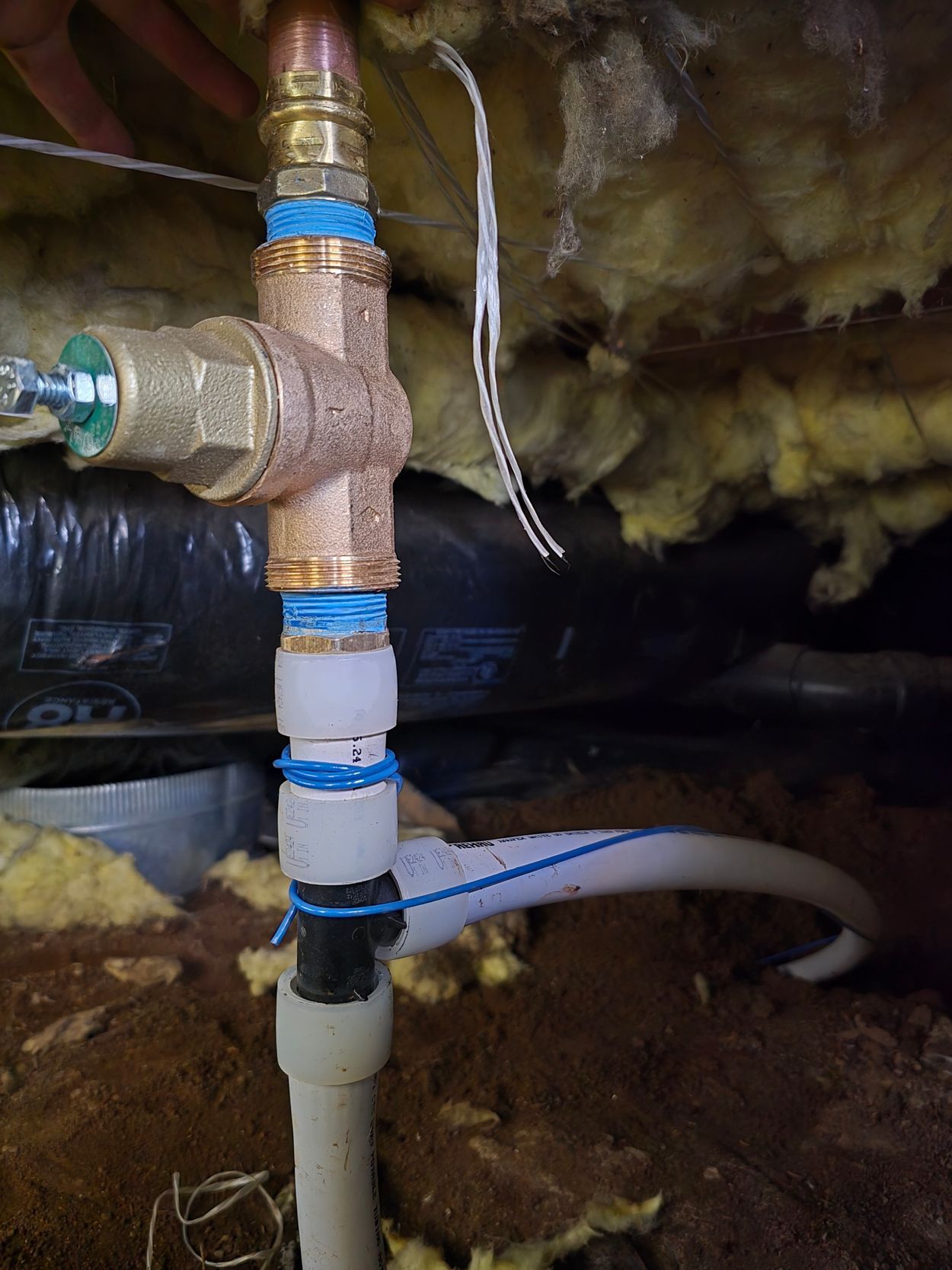
- The pressure relief valve dripping: The T&P valve opens to release pressure when the tank temperature or pressure exceeds safe levels. A T&P valve that is dripping or discharging regularly is indicating either that the valve itself needs replacement or that the tank is operating at temperatures or pressures that are causing the valve to activate. Either condition requires professional assessment.
- A cracked or leaking tank: Water pooling at the base that is not attributable to connections or condensation is often originating from the tank itself. According to Baethke Plumbing's guidance, a puddle forming beneath the heater frequently points to a crack in the tank, and when metal expands and contracts during heating cycles, small fractures eventually appear. A cracked tank cannot be repaired. What starts as a drip can escalate to gallons of water flooding a utility space.
Any moisture at the base of a water heater warrants a professional assessment the same day it is discovered. The determination of whether the source is a repairable connection or a leaking tank is the decision that determines whether the household is in a repair situation or an emergency replacement situation.
Sign 5: The Pressure Relief Valve Is Cycling or Has Never Been Tested
The temperature and pressure relief valve, the T&P valve, is the water heater's primary safety device. It opens automatically when the tank temperature exceeds 210 degrees Fahrenheit or when the pressure exceeds 150 psi, releasing water to prevent tank rupture or explosion. It is also the component that most homeowners have never tested and most contractors rarely inspect.
A T&P valve that is functioning correctly and not regularly cycling should be tested annually by lifting the test lever briefly and confirming that water flows through the discharge pipe and stops cleanly when the lever is released. A valve that does not release water when the lever is lifted, a valve that drips continuously after being tested, or a valve that is cycling regularly without an obvious temperature or pressure cause all indicate a condition requiring professional attention.
- A valve that does not release when tested: Has likely been in the closed position so long that the internal components have seized or corroded. A non-functional T&P valve is a safety hazard, not a maintenance item to defer.
- A valve that drips after testing or regularly: Either the valve seat has worn and the valve is no longer seating correctly after being opened, or the tank is regularly reaching temperatures or pressures that are causing the valve to activate. Both conditions require a plumber to assess the valve and the operating conditions.
- A discharge pipe that terminates improperly: The T&P valve discharge pipe should terminate near the floor or outside the structure to direct any discharge safely away from people and equipment. A discharge pipe that terminates without a proper drain path creates a safety hazard when the valve activates.
Sign 6: The Unit Is More Than 8 to 10 Years Old and Showing Any of the Above Signs
Age alone is not a reason to replace a water heater that is performing correctly. Age combined with any of the warning signs above is a reason to shift from a repair mindset to a replacement evaluation mindset.
According to multiple manufacturer and industry sources including Rheem and State Water Heaters, traditional tank-style water heaters have an average service life of 8 to 12 years. After a unit passes the 8-year mark:
- Internal corrosion accelerates: The anode rod that has been protecting the tank interior for 8 years has been consumed to varying degrees. A unit that has not had its anode rod inspected or replaced is operating without adequate corrosion protection.
- Each repair has a diminishing return: A repair performed on a 9-year-old unit extends the life of a unit that has 1 to 3 years of likely remaining service. According to Rheem's guidance, if repair costs exceed 50 percent of the price of a new unit, replacement is almost always the better investment, and the same applies if multiple repairs have been needed in a short timeframe.
- The risk of additional failures increases: A unit that has experienced one component failure at 9 years is more likely to experience another within a short period. The pattern of needing multiple repairs is a stronger signal than any individual repair cost.
For Clark County homeowners, knowing the age of the water heater is the first step. The serial number on the manufacturer's label includes the year of manufacture, typically encoded in the first one to four characters. A plumber can read this during any service visit.
Sign 7: Rising Energy Bills Without a Change in Usage
A water heater that is working harder than it should be uses more energy than it should. If utility bills in a Vancouver WA or Battle Ground home have increased without a corresponding change in household size, water usage, or utility rates, and the increase is consistent across multiple months, the water heater is a likely contributor.
The conditions that force a water heater to work harder, and therefore consume more energy, include:
- Sediment accumulation: The insulating effect of sediment on the tank floor forces the heating element or burner to run longer to reach the set temperature on each heating cycle
- A failing heating element that is forcing the second element to compensate: In dual-element electric water heaters, a failed lower element forces the upper element to handle the full heating load, increasing energy consumption and reducing hot water capacity simultaneously
- A thermostat set higher than necessary: A thermostat that has drifted above the recommended 120 degrees Fahrenheit setting is heating the water to a higher temperature than required, increasing energy use and creating a scalding risk
The energy bill signal is particularly useful because it provides evidence of a developing problem before visible symptoms like noise or discoloration appear. A household that tracks monthly utility consumption can identify a water heater efficiency decline before it produces a more dramatic warning sign.
The Repair vs. Replace Decision for Vancouver WA Homeowners
When a water heater shows one or more of the signs above, the professional assessment that Service Source Plumbing provides determines whether the correct response is a targeted repair or a replacement evaluation. The framework is straightforward:
- Repair is the right answer when the unit is under 8 years old, the failing component is replaceable and isolated, no tank corrosion or structural leak is present, and the repair cost falls well below 50 percent of replacement cost
- Replacement evaluation is warranted when the unit is over 10 years old and showing symptoms, when a structural leak or tank corrosion is confirmed, when repair costs approach or exceed 50 percent of replacement cost, or when multiple components have failed in a short period
- Replacement is the only answer when the tank itself is leaking, when internal corrosion has produced persistent rusty water that does not clear, or when the T&P valve is non-functional and the tank condition is poor
Service Source Plumbing provides water heater repair and replacement services throughout Vancouver WA, Battle Ground, Woodland, and Clark County. For any of the seven signs described in this guide, same-day service is available for situations that cannot wait for a scheduled appointment.
why choose
service source plumbing?
Get in Touch Today
Homeowners and businesses in Battle Ground, Duluth, Hockinson, Vancouver, Orchards, and Walnut Grove rely on us for our:
- 24/7 emergency services – We’re always ready to assist with urgent plumbing issues.
- Experienced professionals – Our team is trained in advanced drain cleaning techniques.
- State-of-the-art equipment – We use the latest tools to ensure safe and effective unclogging.
- Commitment to customer satisfaction – We deliver reliable, long-term plumbing solutions.
- Preventative inspections – We don’t just fix the issue; we help you prevent future problems.
Recent Posts